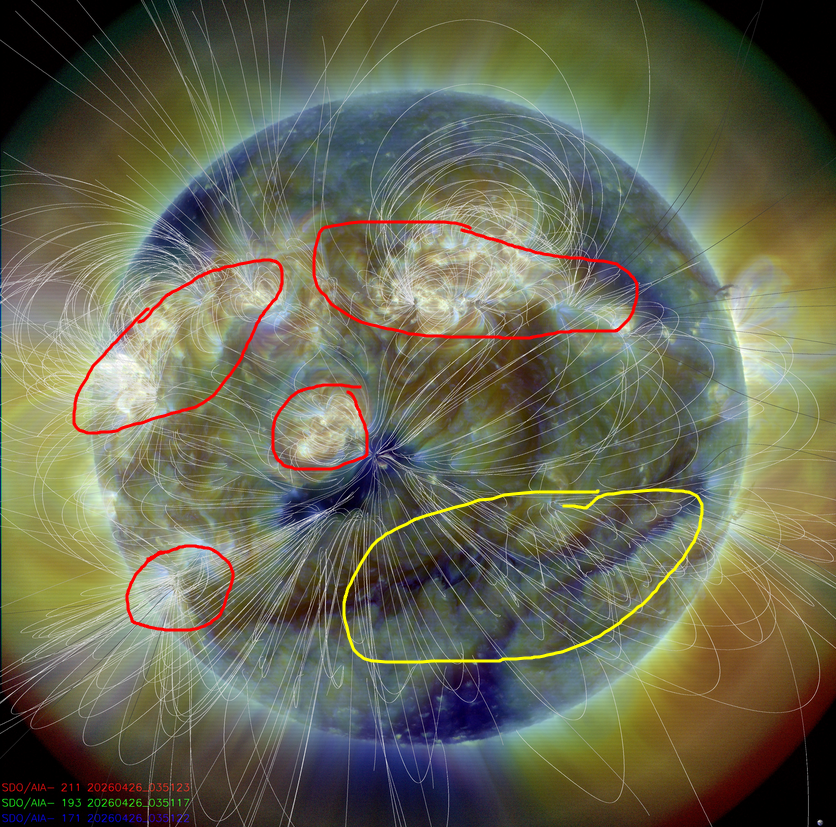
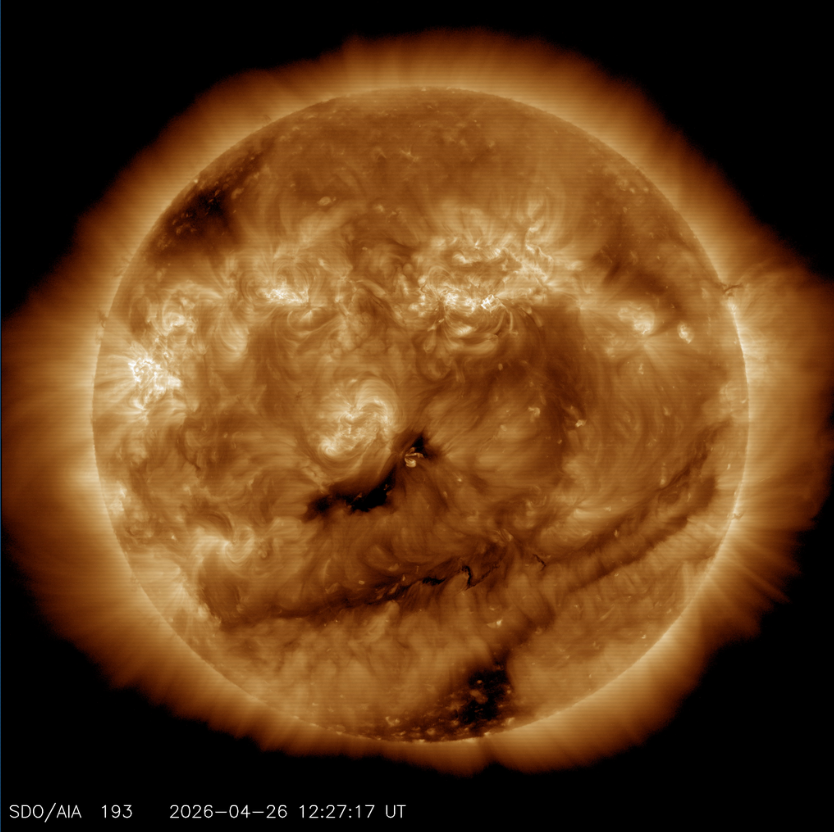
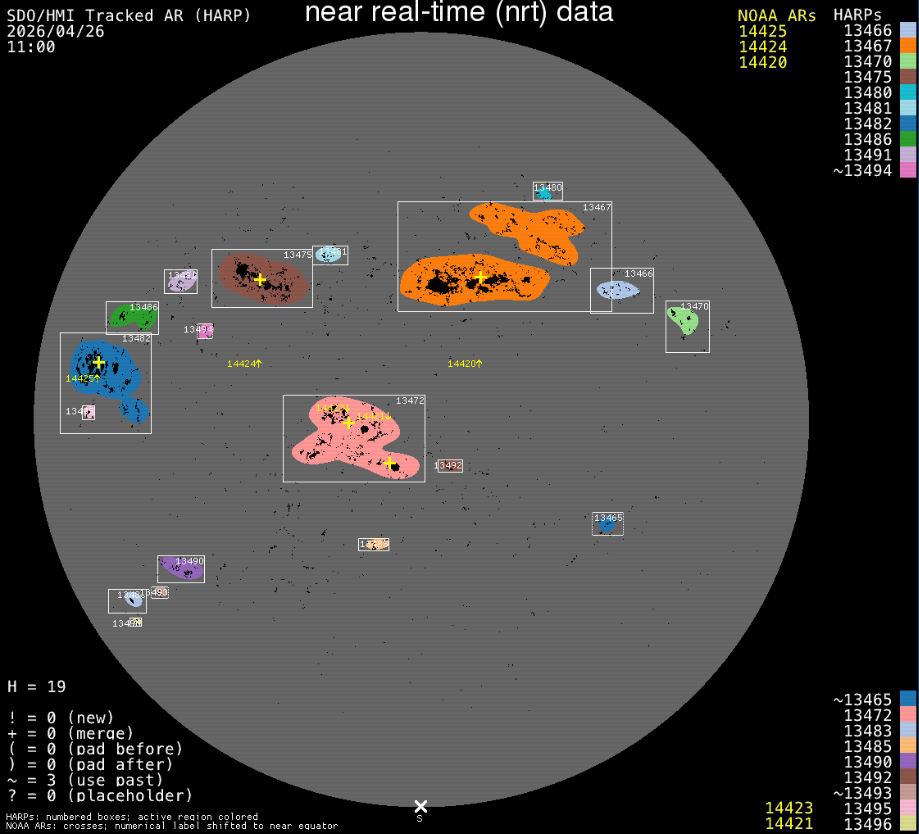
The sun has been highly active in the last few days with M and X class flaring. As of today, only two sunspots are remaining active but they can spring up once again in the next 48 hours. Plasma filaments in the southern region continues to whip around but remain clear from Earth at the time being.
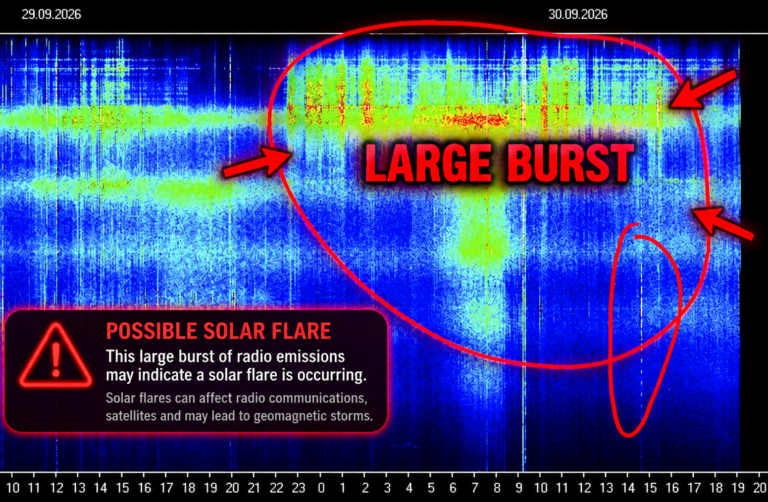
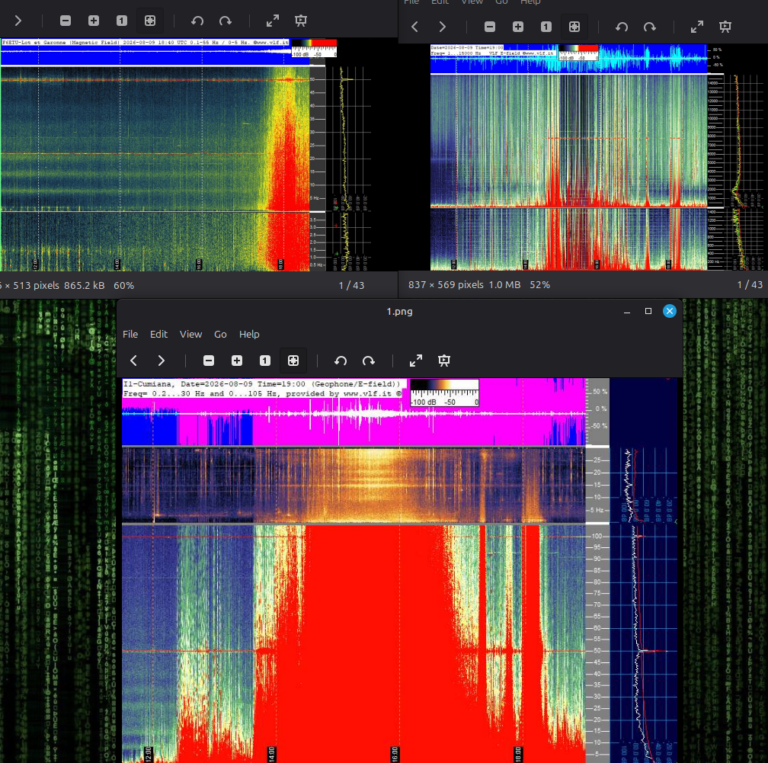
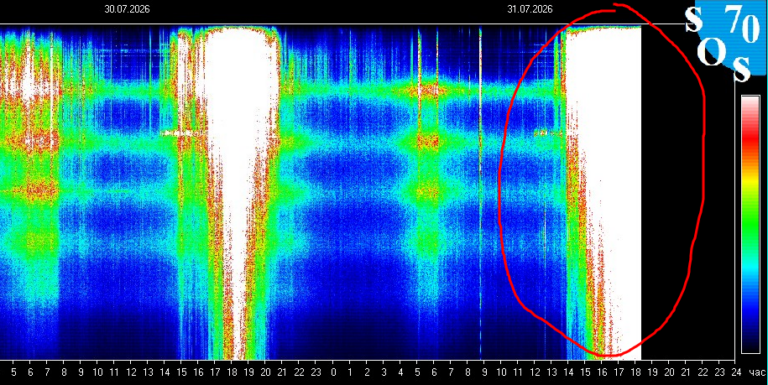
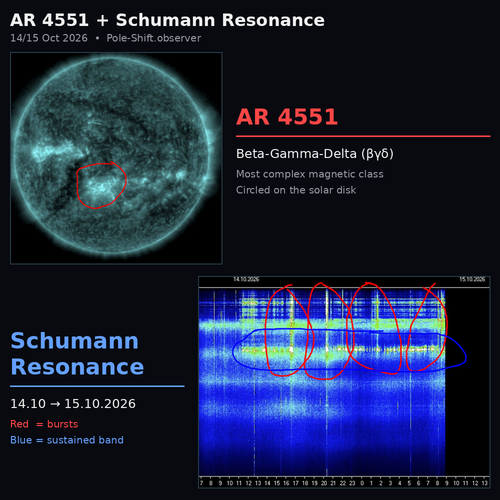
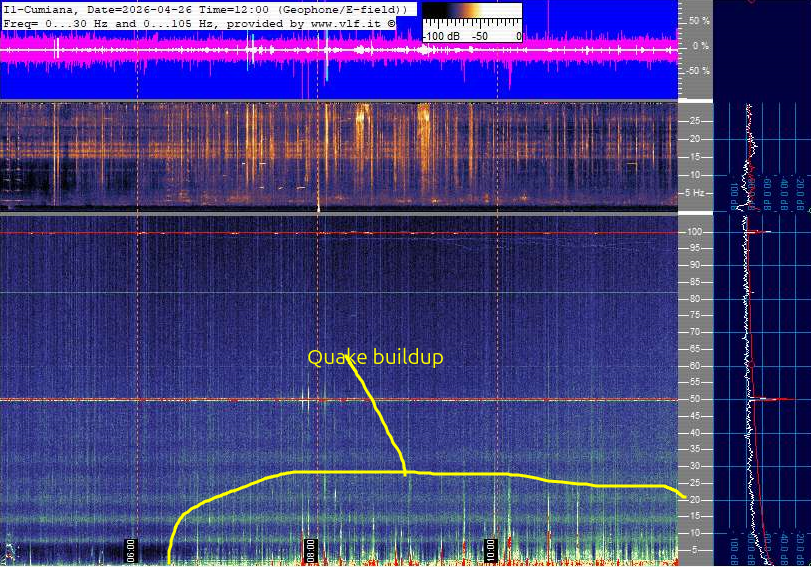
Increased anomalies from the Schumann Resonance in the last 7 days suggest that the turmoil and change from inner to outer core transformation is chaotic. Some regions are experiencing more than others but those changes are breaking through to the outer core indicating this buildup can create shifts in plates creating Earthquakes.
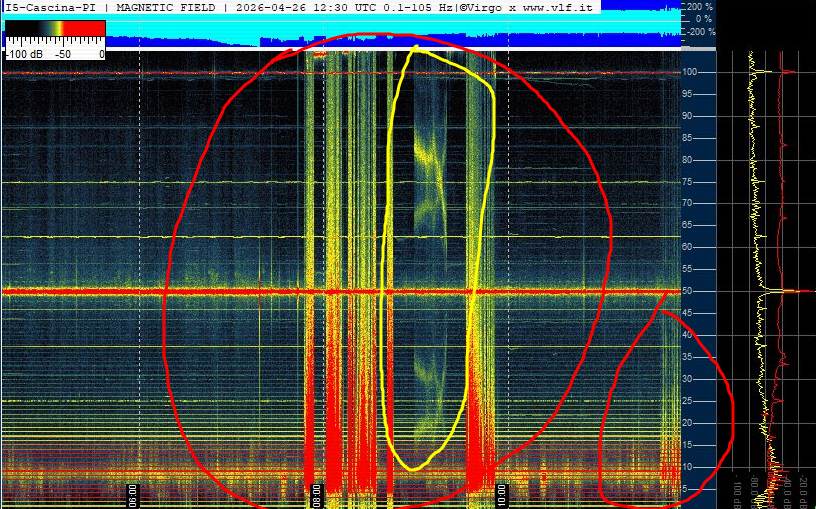
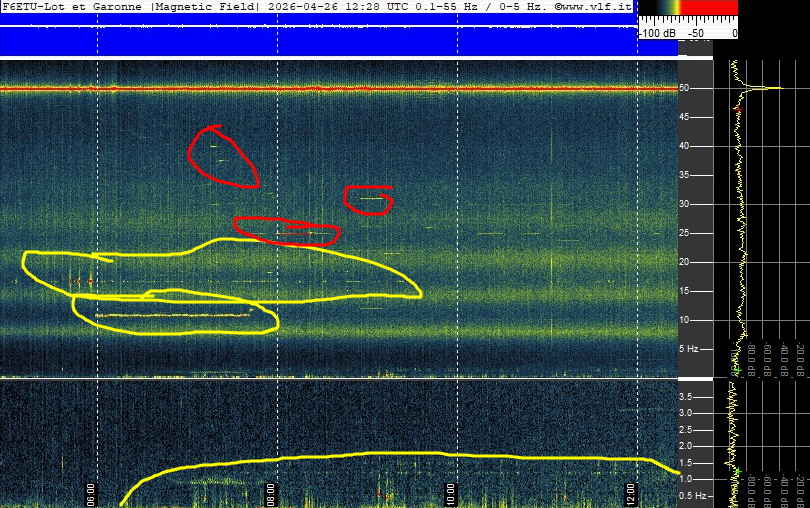
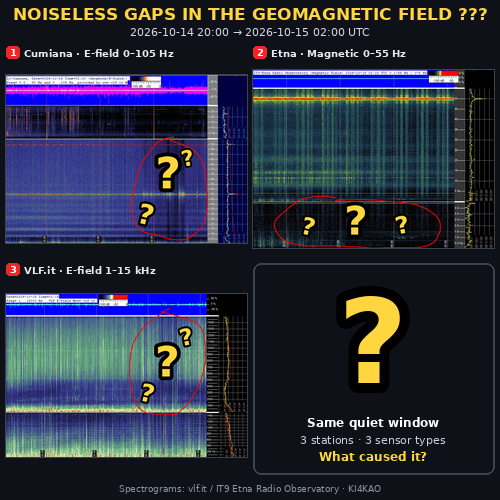
Magnetic disturbance is normal but we do have shifting of the magnetic fields. As seen below, the shifting of the north and southern magnetic fields indicating the continued movement of the magnetic dipole. The stress of the internal mechanics will not hold much longer.
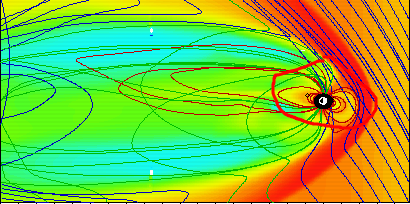
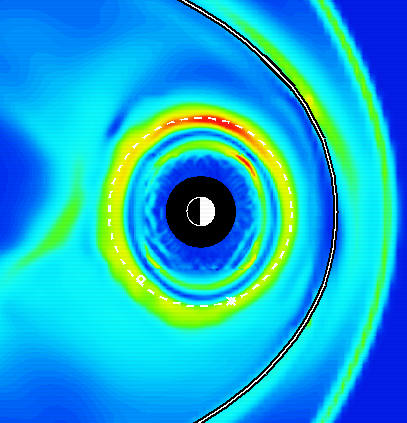
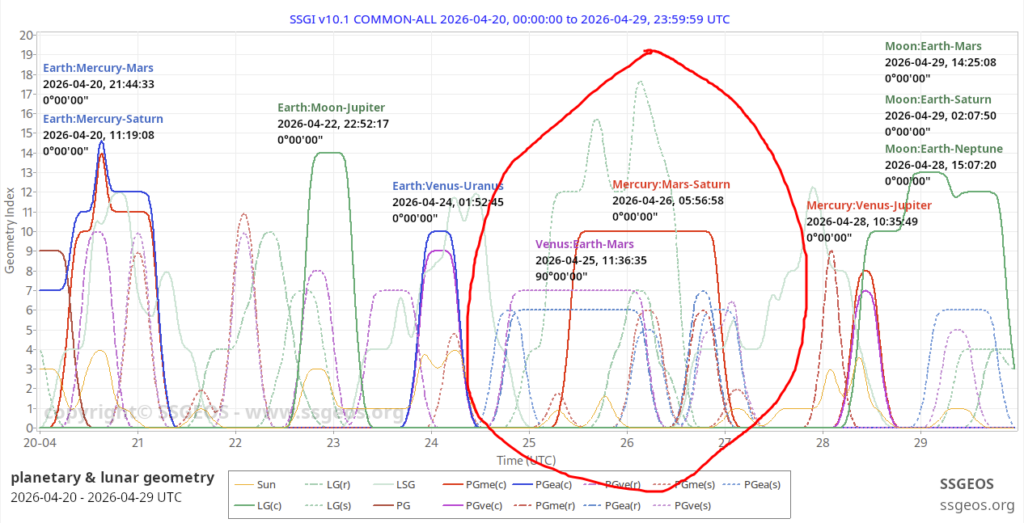
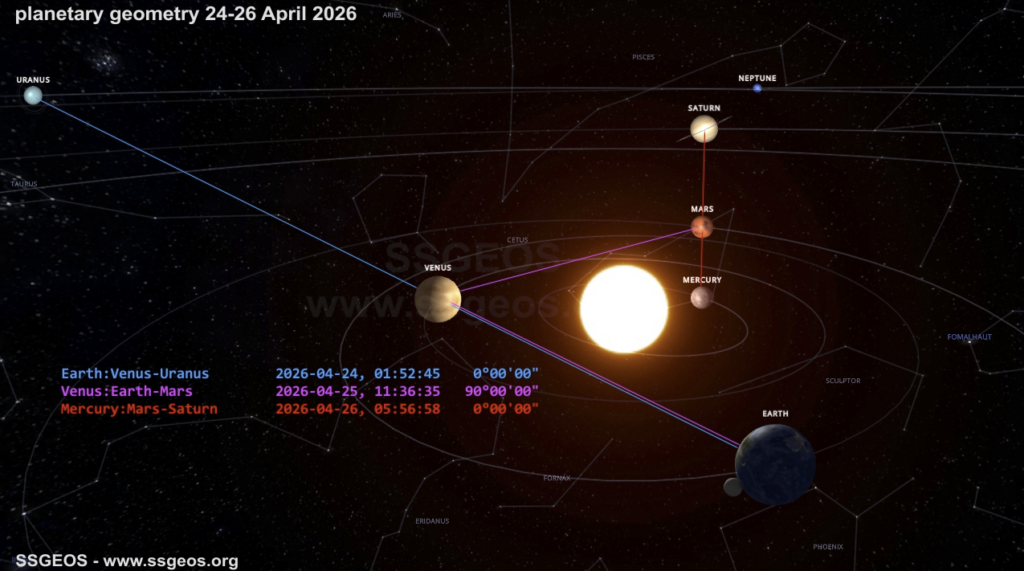
The actual geomagnetic disturbance maybe caused by the geometry of Mercury, Mars and Saturn today.
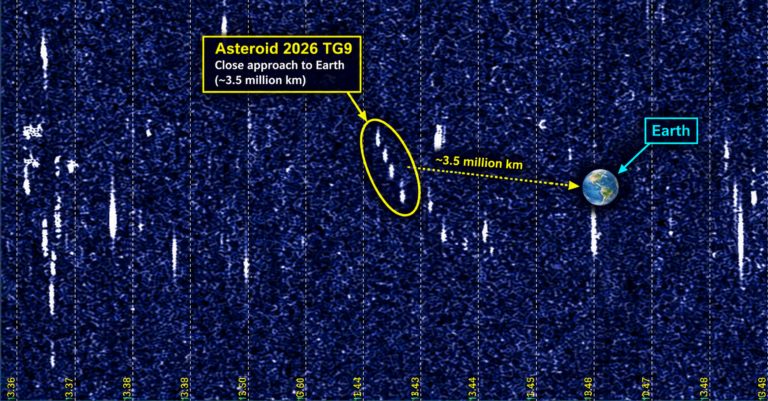
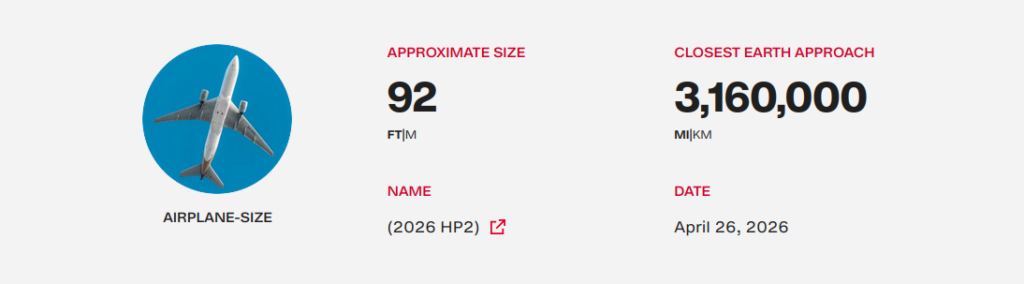
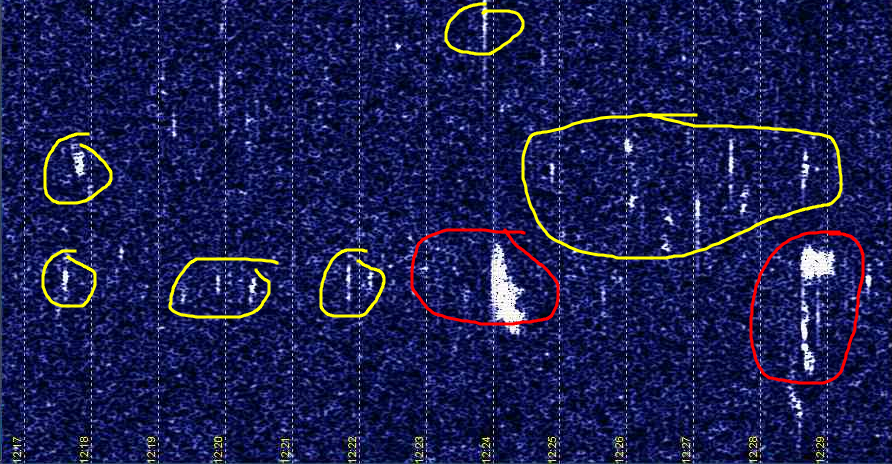
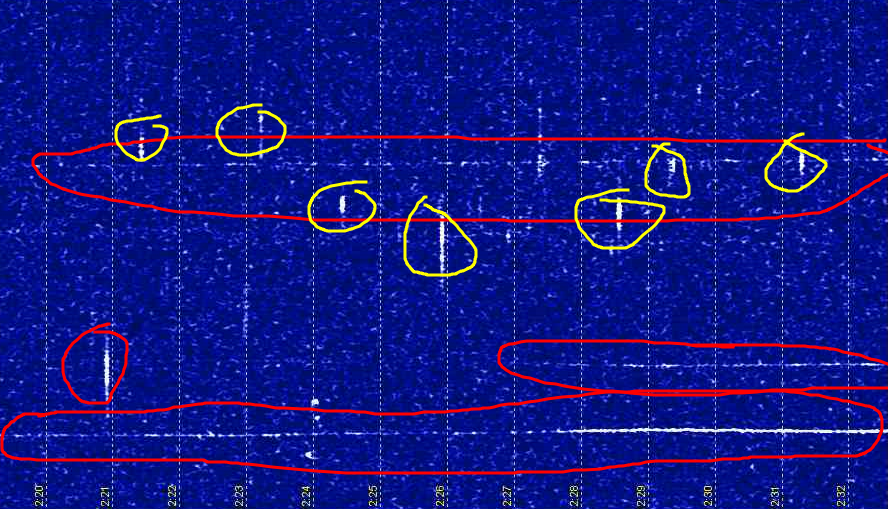
Only one asteroid in watch today which is farther away than the moon. Charts are picking up smaller enegry signal and near Earths equator, energy bands are shown indicating these can be both satellite debris and cosmic rocks from the OORT Cloud debris. Possible fireball sighting today and tonight.
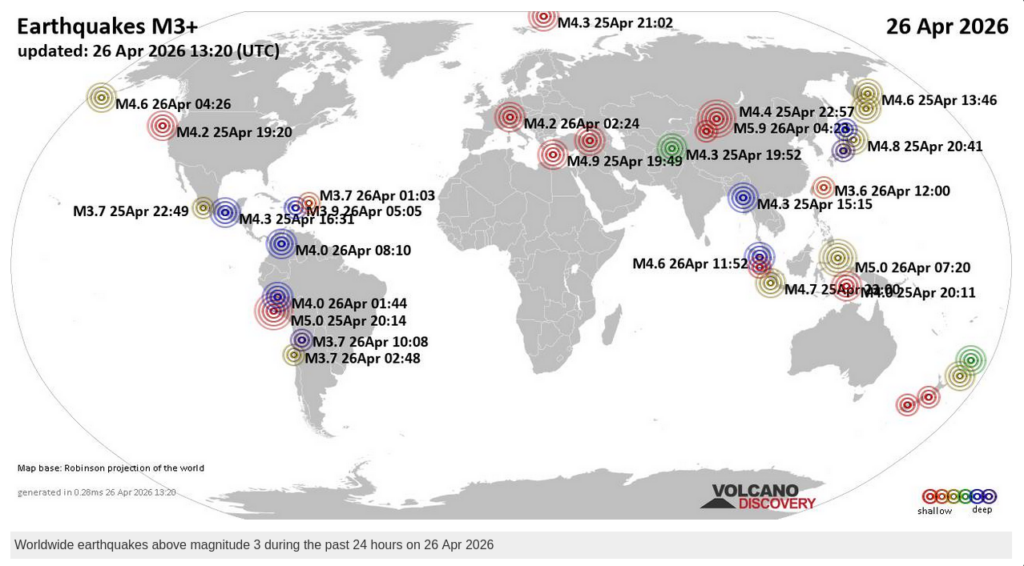
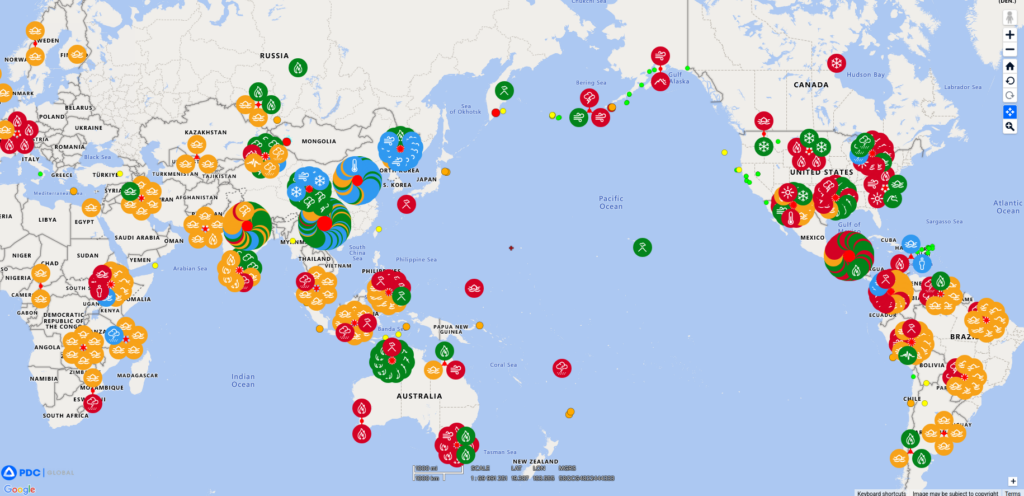
There are currently 491 currently active hazards in the World today:
:Product: Forecast Discussion
:Issued: 2026 Apr 26 1230 UTC
# Prepared by the U.S. Dept. of Commerce, NOAA, Space Weather Prediction Center
#
Solar Activity

.24 hr Summary...
Solar activity was at moderate levels following a pair of M-class flares
from Region 4425 (N04E55, Dai/beta-gamma). The first was an impulsive
M1.1/Sf flare at 25/1430 UTC, and the second was an M1.3 flare at
26/0023 UTC. This region added a couple of low level C-class flares as
well.

There are currently seven numbered regions on the visible disk. Region
4420 (N16W09, Ekc/beta-gamma) added a few more intermediate spots while
continuing to grow in overall length. Region 4424 (N15E24, Dsi/beta)
exhibited growth in its intermediate and trailing spots. Region 4425
rotated further into view, though limb proximity continues to hinder
full characterization of its extent and magnetic complexity. All other
regions were either stable or in slight decay.

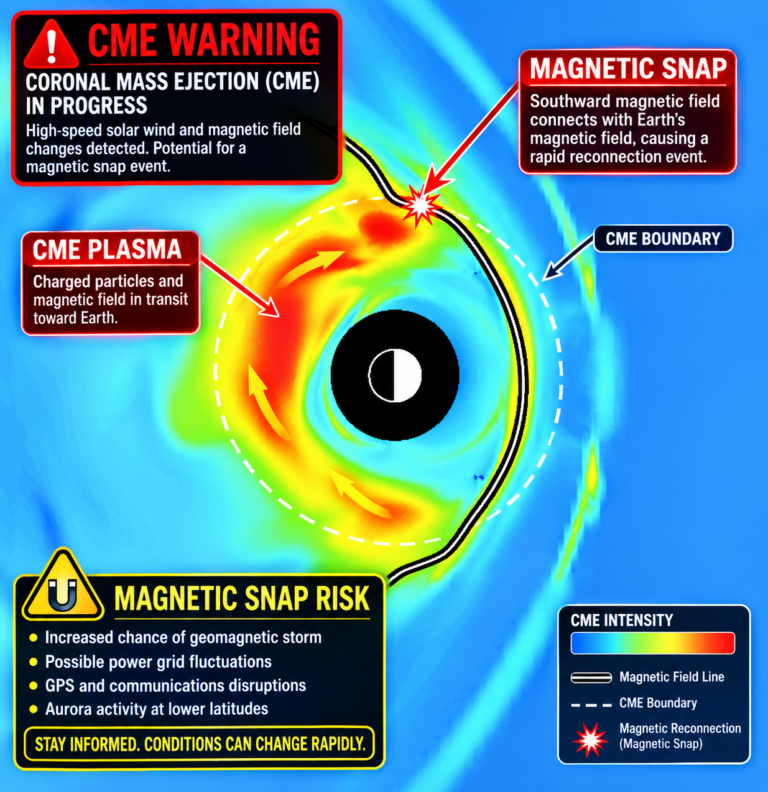
No Earth-directed CMEs were observed in available coronagraph imagery.

.Forecast...
Solar activity is expected to be at low levels, with M-class flares
(R1/R2-Minor/Moderate) likely, and a slight chance for X-class
(R3/Strong or greater) flares through 28 Apr.


Energetic Particle

.24 hr Summary...
The greater than 2 MeV electron flux at geosynchronous orbit was at low
to moderate levels with a peak of 403 pfu at 25/1910 UTC. The greater
than 10 MeV proton flux at geosynchronous orbit was slightly elevated,
but remained near background levels.

.Forecast...
The greater than 2 MeV electron flux is expected to be at moderate
levels on 26-27 Apr, likely increasing to high levels by 28 Apr. The
greater than 10 MeV proton flux is expected to remain at background
levels.


Solar Wind

.24 hr Summary...
Solar wind parameters were indicative of a positive polarity CH HSS
regime, with possible transient influences intertwined. Near-background
levels started off the period, with total field around 5 nT, Bz was
mostly positive, and wind speeds averaged below 400 km/s. Enhancements
were noted starting at around 25/1900 UTC, possibly signaling the
glancing influence of the 23 Apr CME. Total magnetic field increased to
12 nT, the Bz component observed a southward deflection to -9 nT, and
solar wind speed increased to ~450 km/s. There was also a transient
rotation into a negative orientation in the phi angle, which was
otherwise predominantly positive throughout the period. An additional
enhancement was noted at approximately 26/0315 UTC when total field
increased to 14 nT, Bz simultaneously deviated to -13 nT, and wind
speeds began to increase, eventually reaching a peak of ~500 km/s,
possibly indicating another transient interaction.

.Forecast...
Further enhancements in the solar wind environment are anticipated on
26-27 Apr due to +CH HSS influence combined with anticipated glancing
influences from the 23-24 Apr CMEs. Barring additional CME interactions,
a return to near background levels is expected by 28 Apr.

Geospace

.24 hr Summary...
The geomagnetic field was quiet to unsettled with a couple of isolated
active periods.

.Forecast...
Isolated G1 (Minor) geomagnetic storming conditions are likely on 26 Apr
in response to +CH HSS influence combined with the anticipated arrival
of the aforementioned glancing CMEs. Quiet to unsettled conditions are
expected, with isolated active periods likely, on 27 Apr as CME/CH HSS
influences persist but subside. A return to mostly quiet conditions,
with possible isolated unsettled levels, is expected by 28 Apr, barring
additional CME interactions.
About The Author