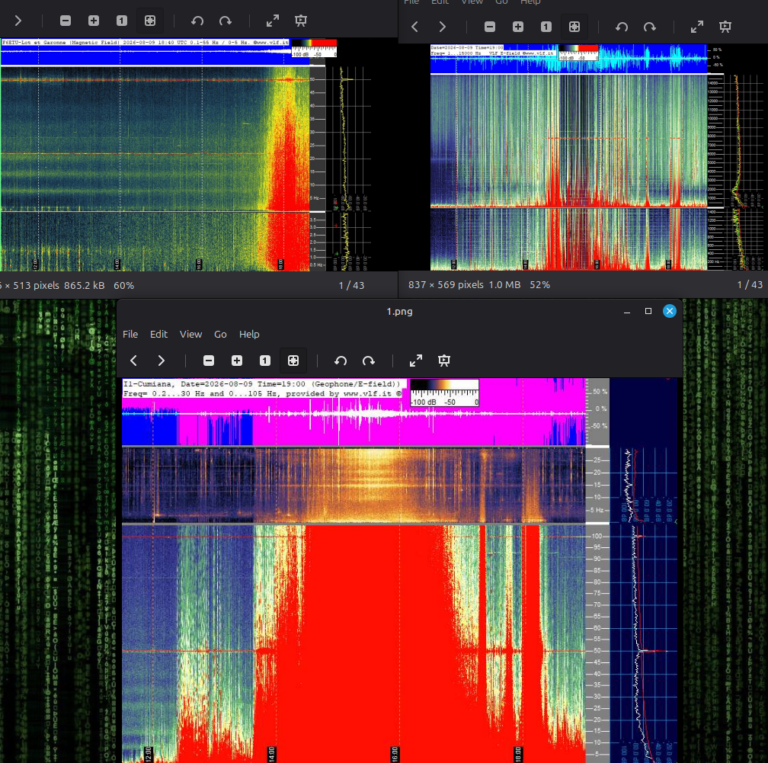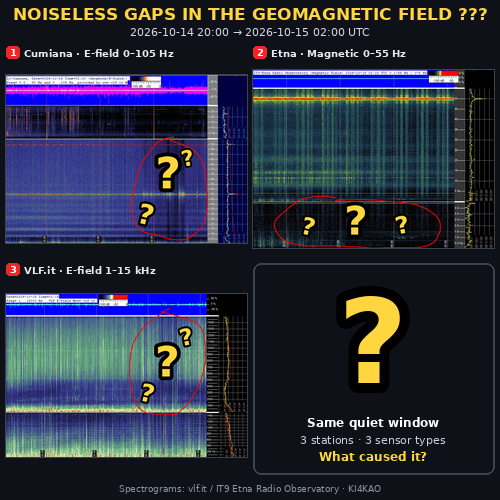
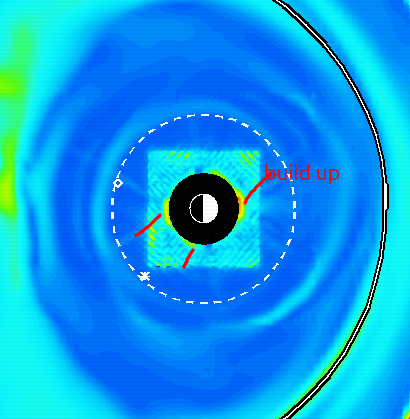
Within the last 24 hours, we have seen an increase of tectonic stress from multiple plates around the world. With current geomagnetic conditions continues, we are seeing more stress and buildup underneath our feet.
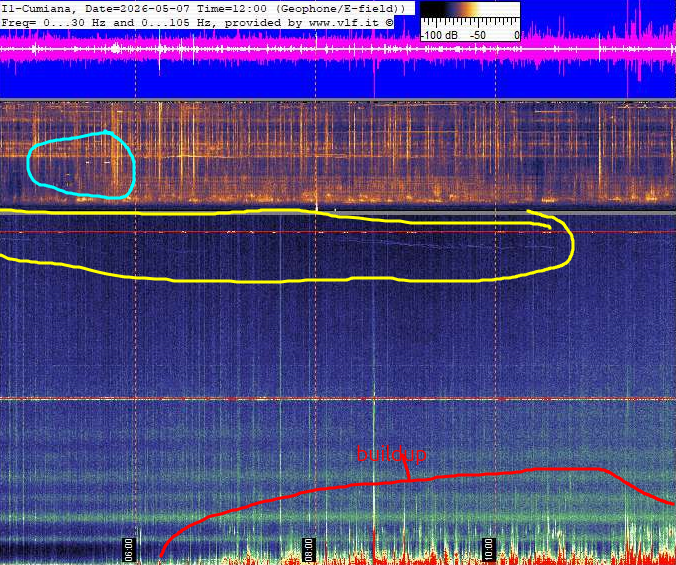
We are seeing stressing in multiple locations and a M6 quake is in the works today and tomorrow. Should also see numerous M5 quakes continuing today as well.
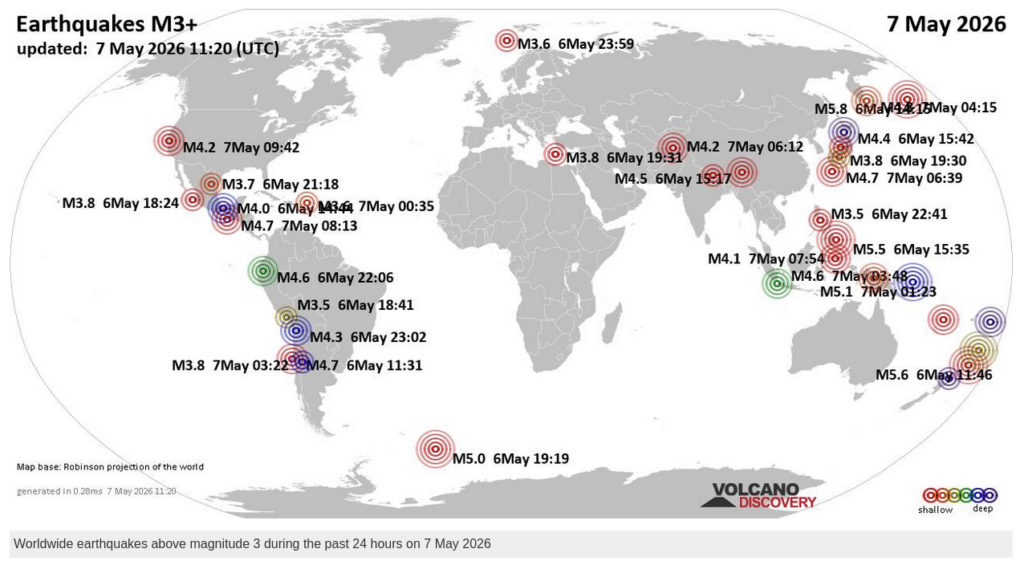
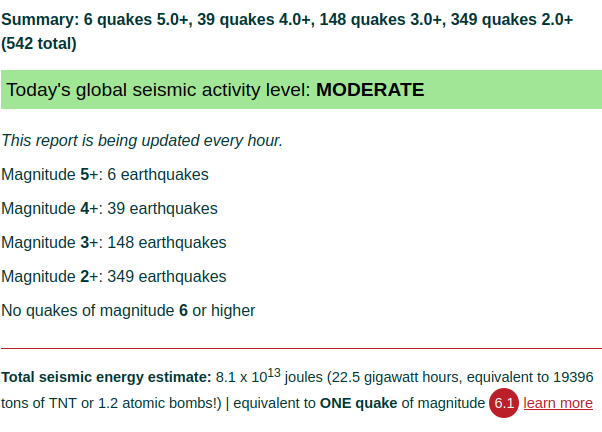
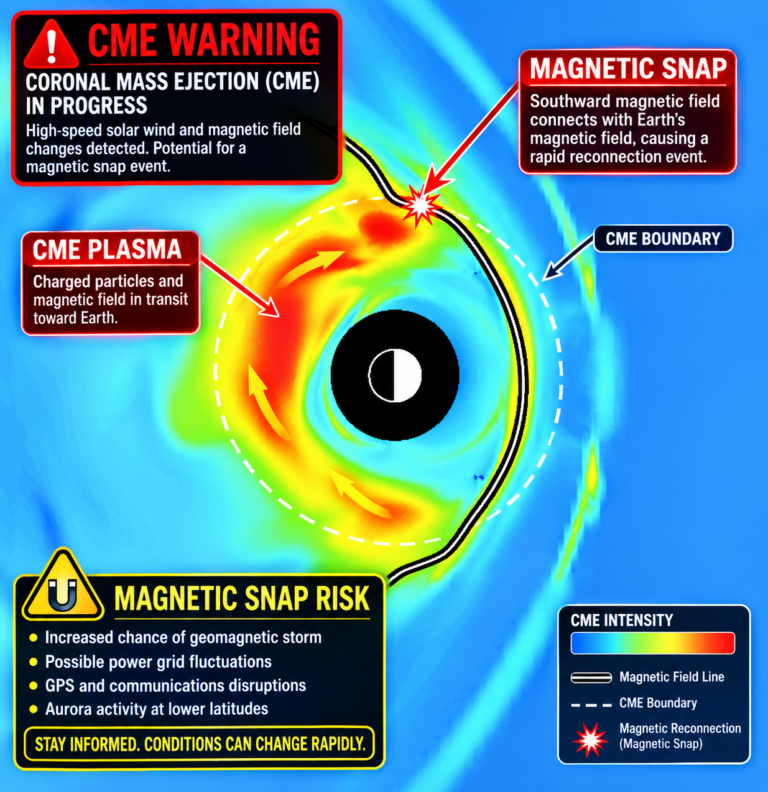
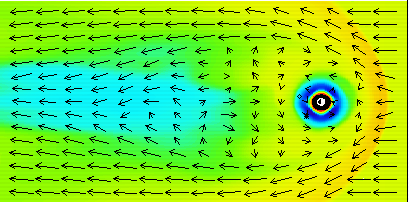
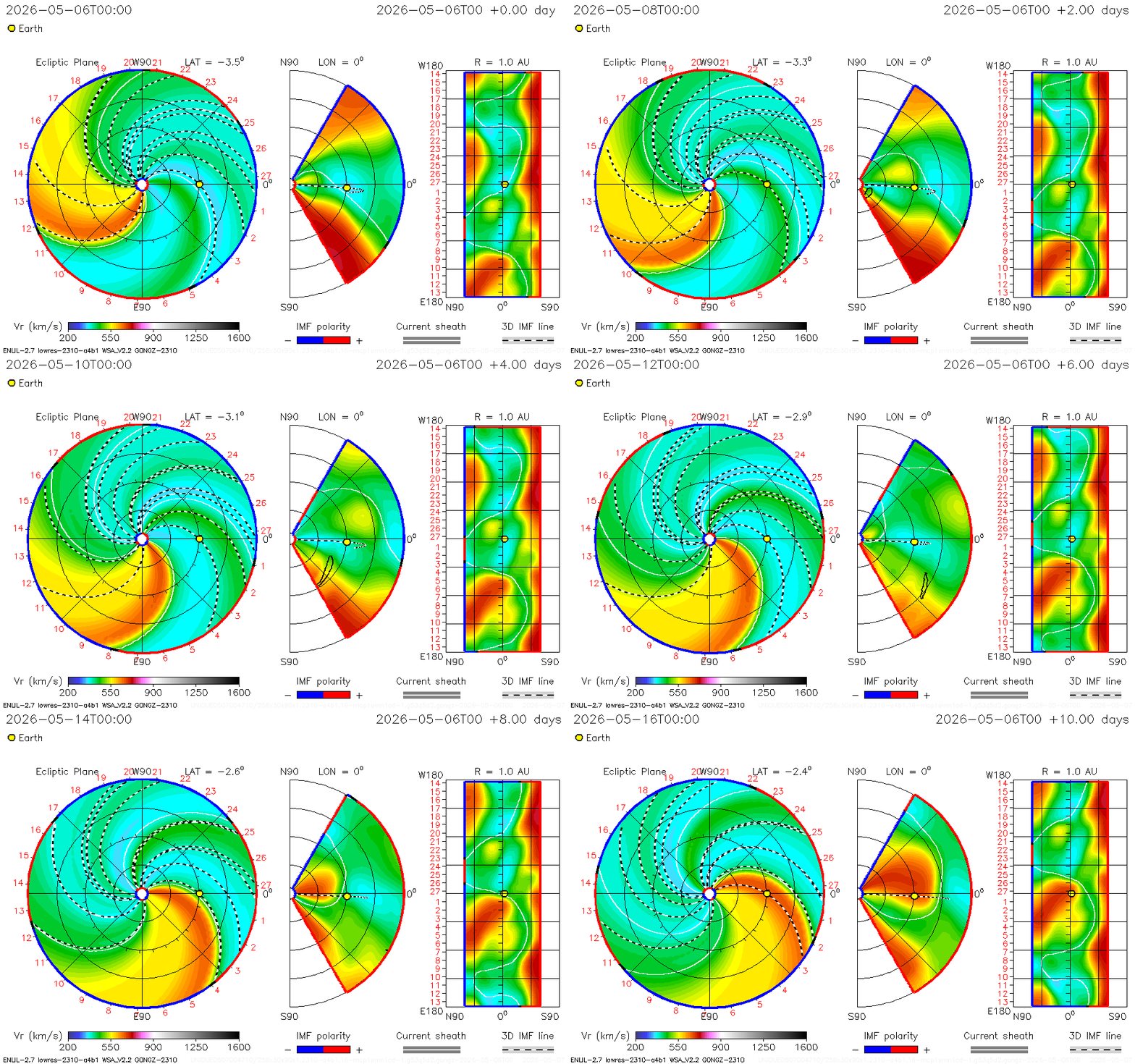
With the exiting CME and coronal hole winds, we do have cosmic radiation on the rise. We are also seeing a steady increase of cosmic neutrons as well.
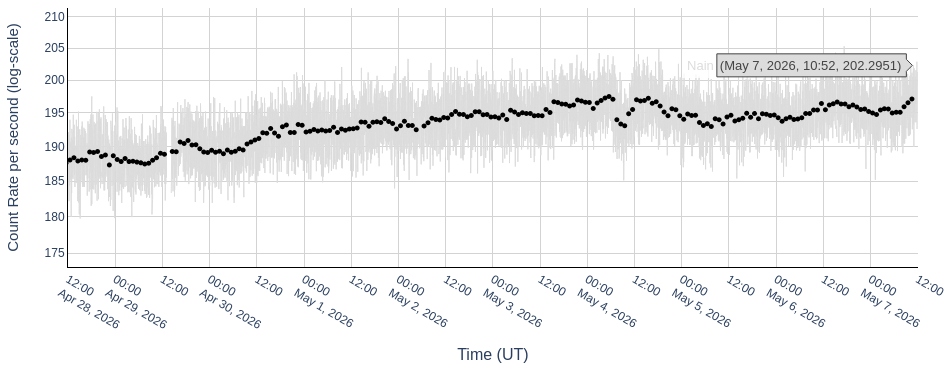
I will continue to monitor this more in depth including gravity anomalies in space once I am done coding a few projects. We would also need to wait another 24 hours in order to see the data a bit more better. At the moment the lower polarity energy is interacting with Earth but solar activity remains very low.
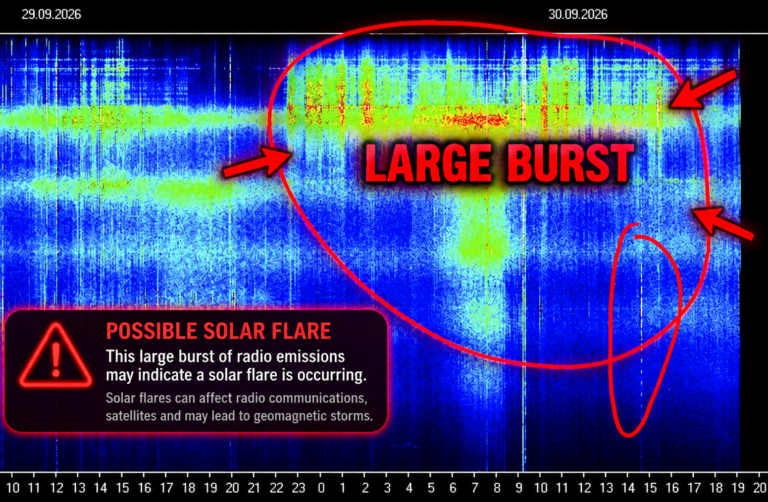
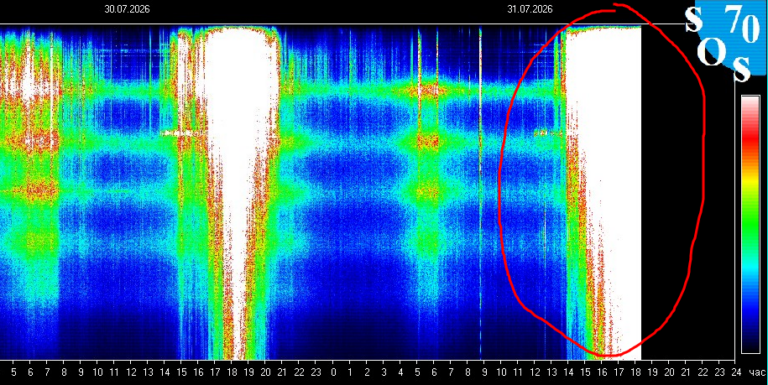
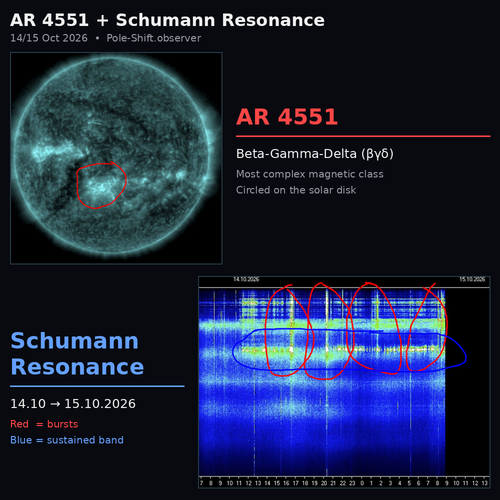
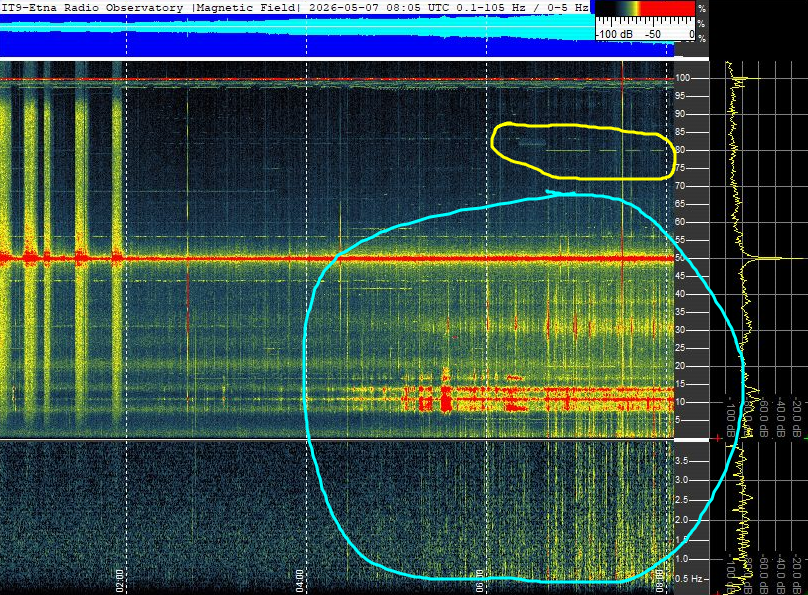
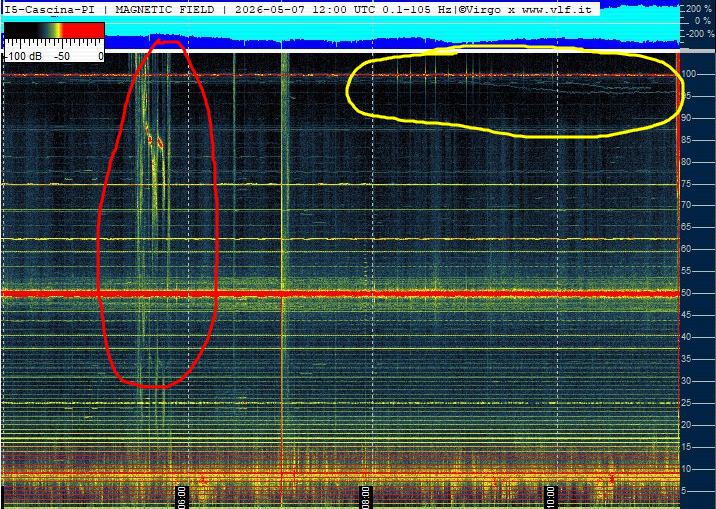
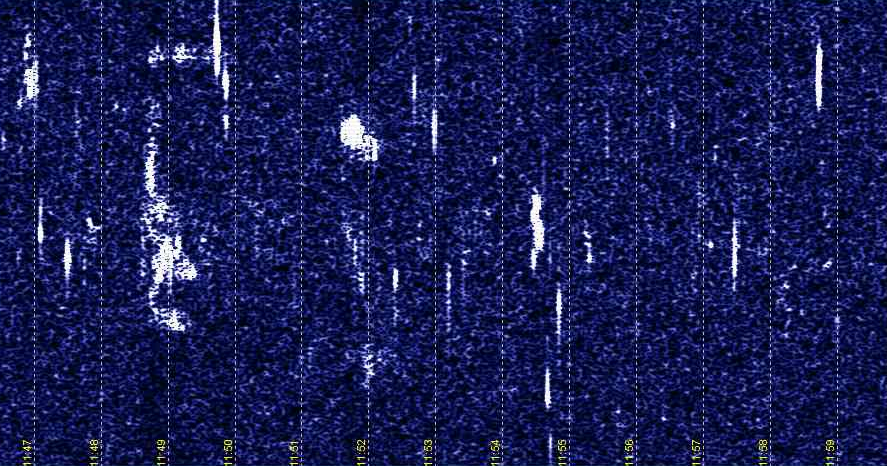
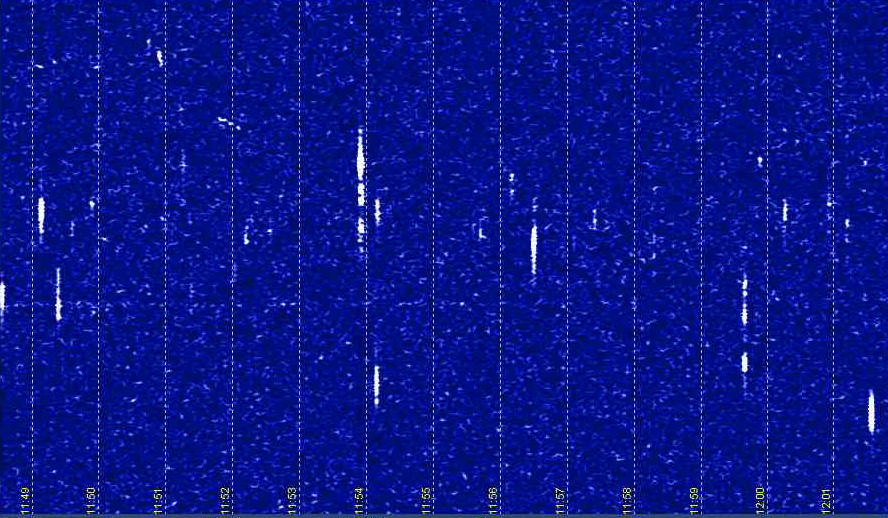
The Schumann is seeing anomalies as well across the board. Indications of magnetic stress on the internal side of Earth. Possible rebound from the weak coronal hole stream but we should see what changes in the next 12 hours.
Other News:
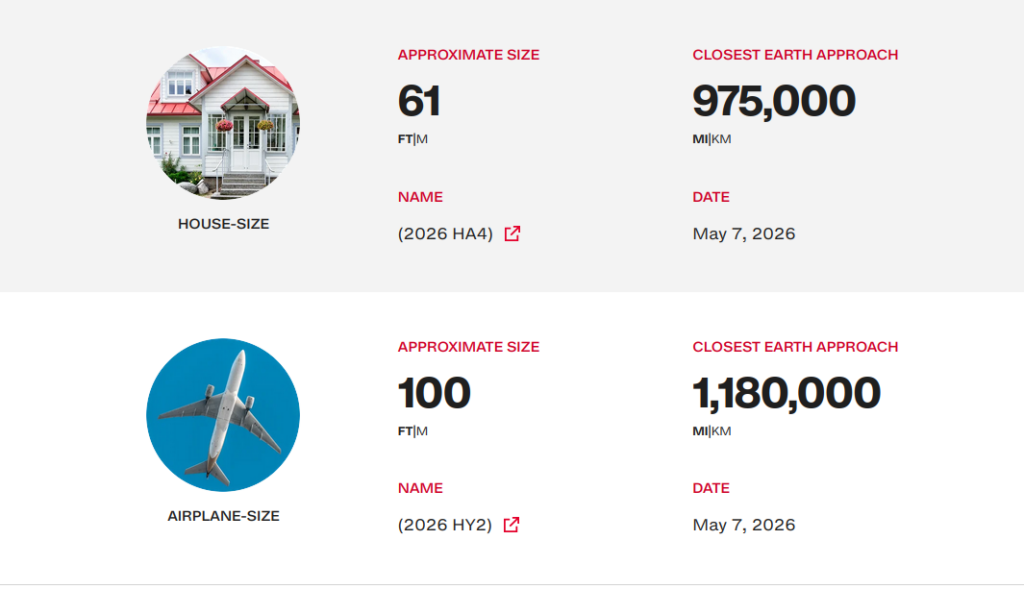
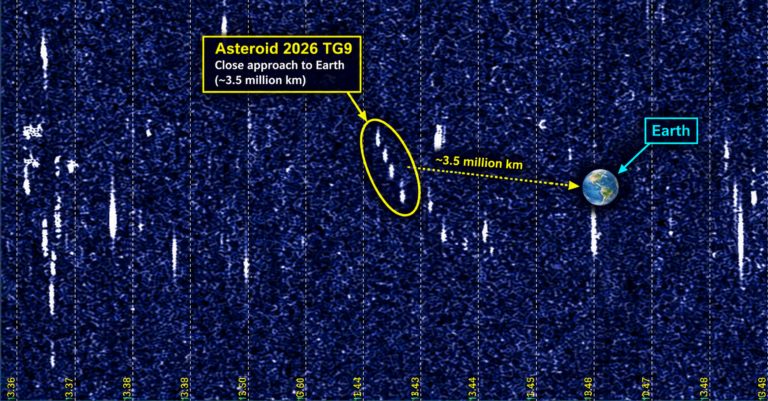
Today we are on watch for two asteroids, and one asteroid tomorrow. These threats are super low with no chance of fragments. Space traffic remains high as some of these maybe smaller space rocks mixed with satellite debris and other objects.
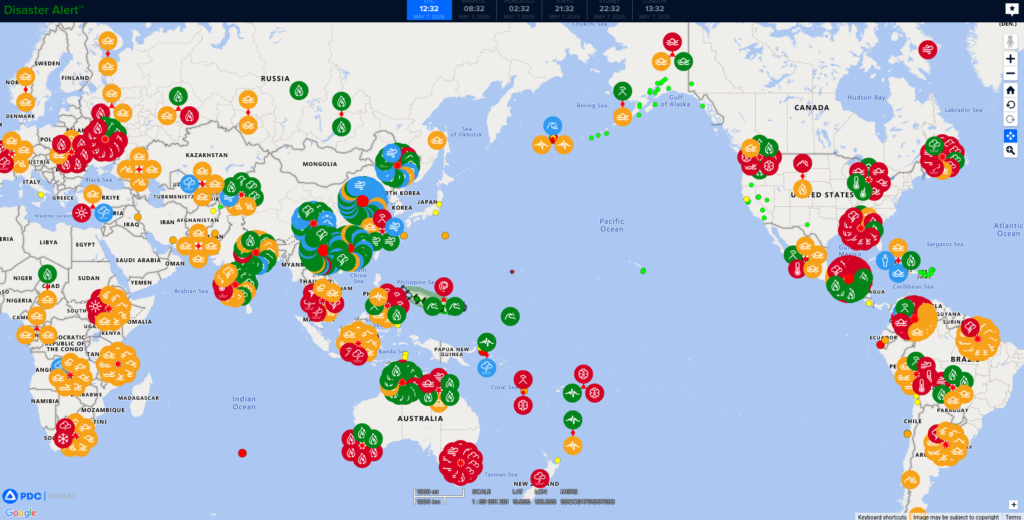
There are currently 486 active climate alerts as of this morning.
:Product: Forecast Discussion
:Issued: 2026 May 07 1230 UTC
# Prepared by the U.S. Dept. of Commerce, NOAA, Space Weather Prediction Center
#
Solar Activity

.24 hr Summary...
Solar activity was at low levels during the reporting period with
occasional B-class and isolated low-level C-class flares. The largest
event of the period was a C1.4/Sf flare from Region 4429 (S05W47,
Cri/beta) at 05/1724 UTC.

There are currently six numbered regions on the visible disk as Region
4434 (N12, L=41) decayed to plage and Region 4428 (S23, L=170) rotated
beyond the western limb as an E-type group. The remaining regions mostly
showed signs of decay. Region 4425 (N05W88, Hsx/alpha) appeared stable,
though full characterization is difficult due to extreme limb proximity.
Region 4429 (S05W47, Bxi/beta) showed continued submergence and decay,
decreasing in both area and length along with a total loss of
penumbra. Region 4431 (S16W15, Cao/beta) showed some minor new
development, with a few small spots emerging in both polarities
following recent decay. Region 4432 (N13W01, Cri/beta) had minor
emergence in its intermediate spots, despite an overall gradual decrease
in extent. The remaining regions were mostly stable.

No Earth-directed CMEs were observed in available coronagraph imagery.

.Forecast...
Solar activity is expected to be at low levels on 07 May, with a slight
chance for isolated M-class (R1-R2/Minor-Moderate) flares. Flare
probabilities increase beginning 08 May as up to two active regions
near L=330 rotate into view from beyond the eastern limb. Considering
the size of these regions and recent far-side eruptions seen in
coronagraph imagery, solar activity is expected to increase 08-09 May
with a chance for M-class (R1-R2/Minor-Moderate) flares and a slight
chance for X-class (R3/Strong or greater) flares.

Energetic Particle

.24 hr Summary...
The greater than 2 MeV electron flux at geosynchronous orbit was at low
to moderate levels, with a peak flux of 407 pfu observed at 06/0415 UTC.
The greater than 10 MeV proton flux at geosynchronous orbit remained at
background levels.

.Forecast...
The greater than 2 MeV electron flux is expected to remain at low to
moderate levels through 08 May. An increase to high levels is expected
by 09 May in response to the anticipated onset of a positive polarity
coronal hole high-speed stream (+CH HSS). The greater than 10 MeV proton
flux is expected to remain at background levels through 09 May.

Solar Wind

.24 hr Summary...
Solar wind parameters returned to near background levels as transient
CME influences waned. Total magnetic field (Bt) gradually declined from
earlier enhancements, ending the period around 5 nT. The North-South
(Bz) was almost exclusively northward with only a quick deviation south
to -3 nT late in the period. Solar wind speeds averaged around 375 km/s.
The phi angle was predominantly in a positive (away) orientation for the
majority of the period with a few, short-lived oscillations into a
negative (toward) orientation during the period.

.Forecast...
Solar wind parameters are expected to reflect a slow wind regime into
early 07 May. By mid-to-late 07 May, the onset of a +CH HSS is expected
with CH HSS influences persisting through 08 May before beginning to
subside on 09 May.

Geospace

.24 hr Summary...
The geomagnetic field was quiet throughout the entire reporting period.

.Forecast...
The geomagnetic field is likely to remain mostly quiet until mid-to-late
07 May, when an increase to active levels is anticipated due to the
onset of +CH HSS influences. Active conditions are expected to persist
into 08 May, with a chance for isolated periods of G1-G2
(Minor-Moderate) geomagnetic storming late on 07 May through 08 May. A
decline to quiet to unsettled levels is expected on 09 May as CH HSS
influences wane.
About The Author