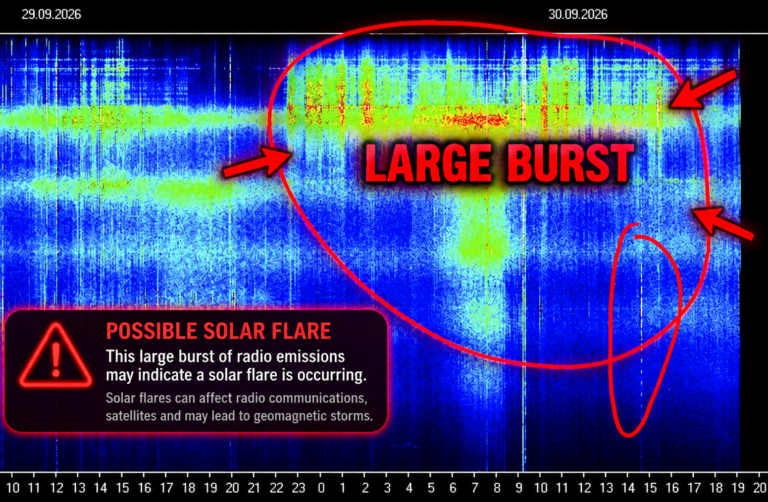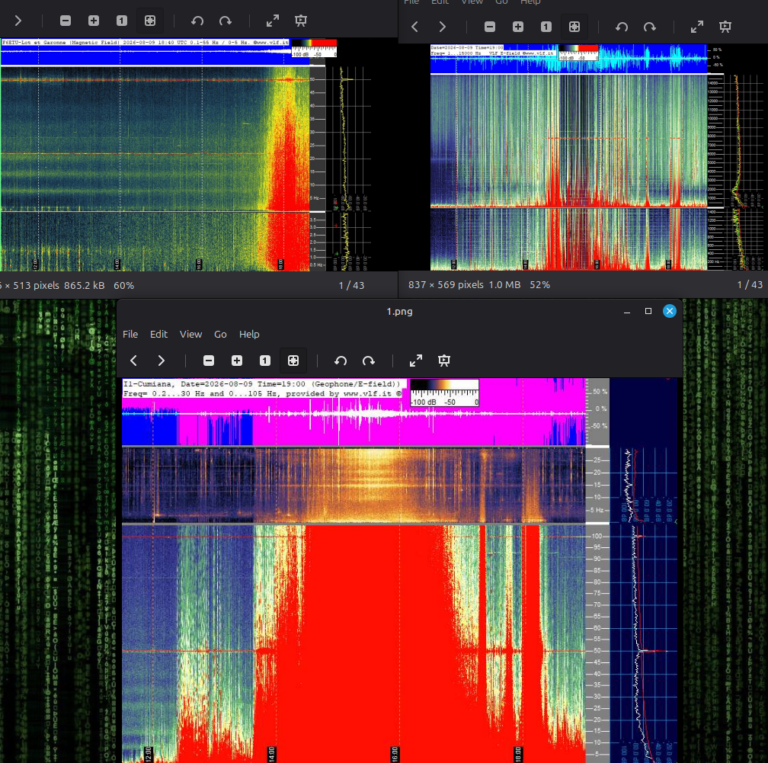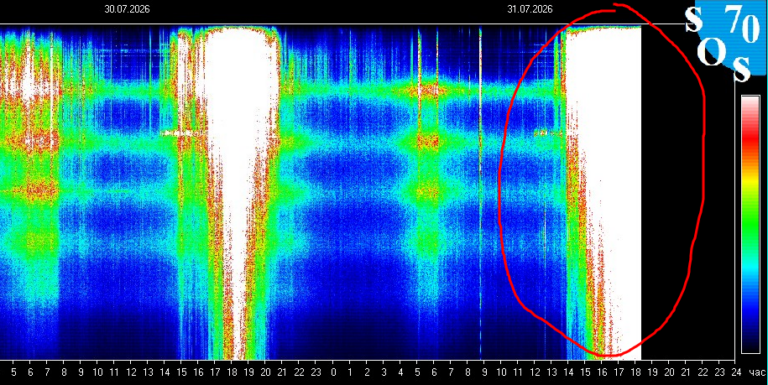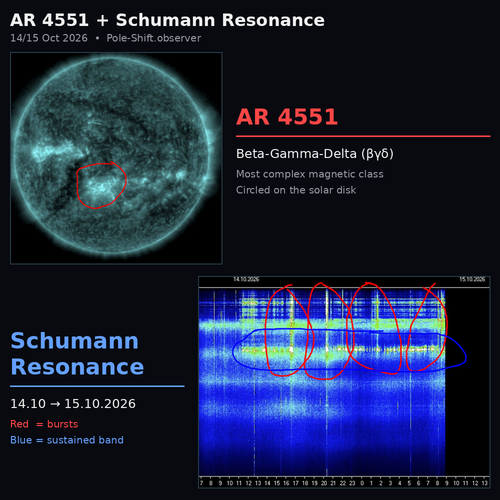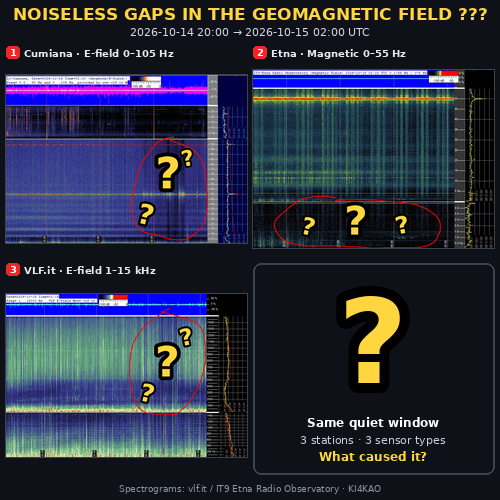
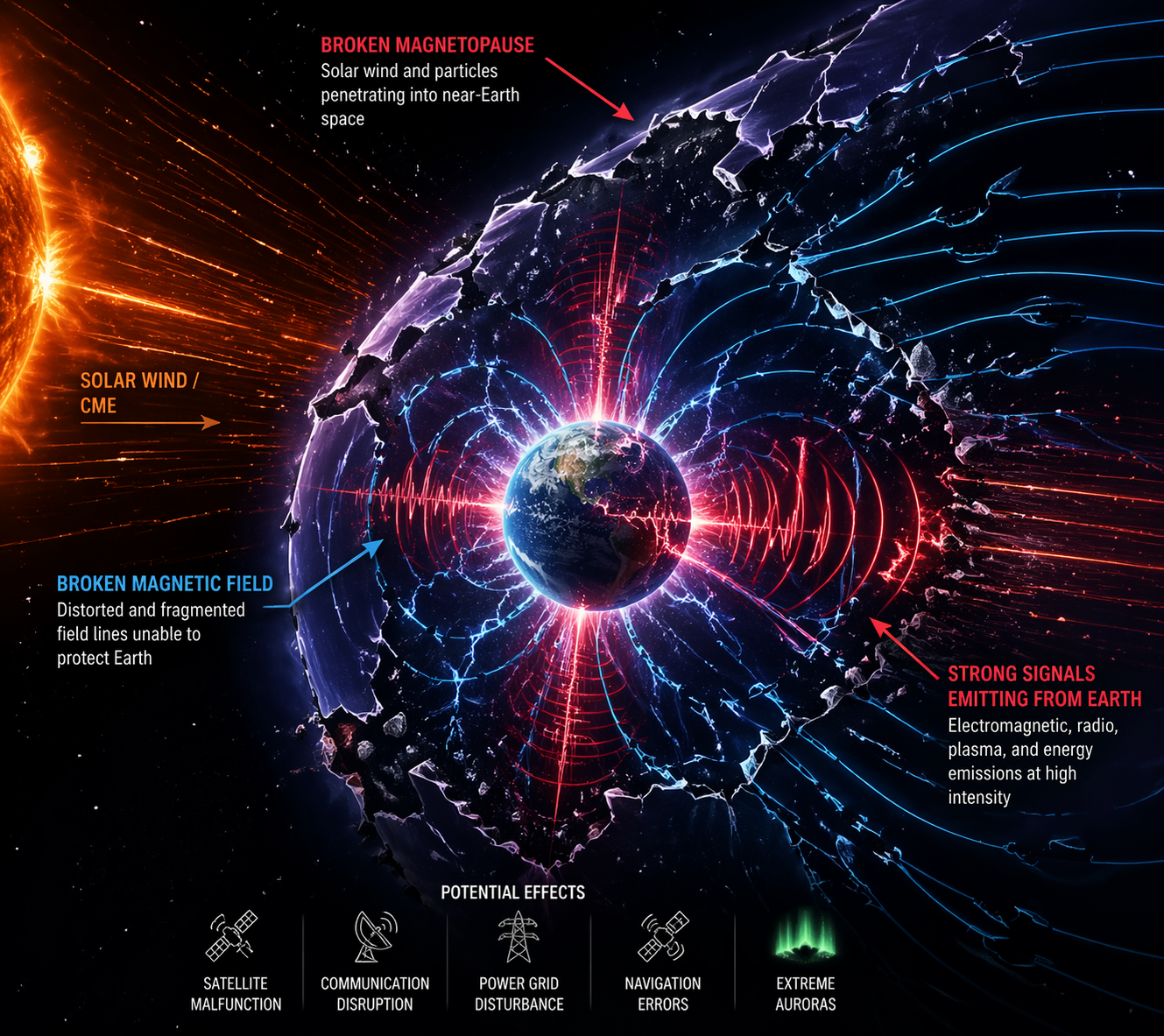
Earth continues today with geomagnetic disturbance and from the amount of M5+ quakes the outer core continues to transform and push the upper crust.
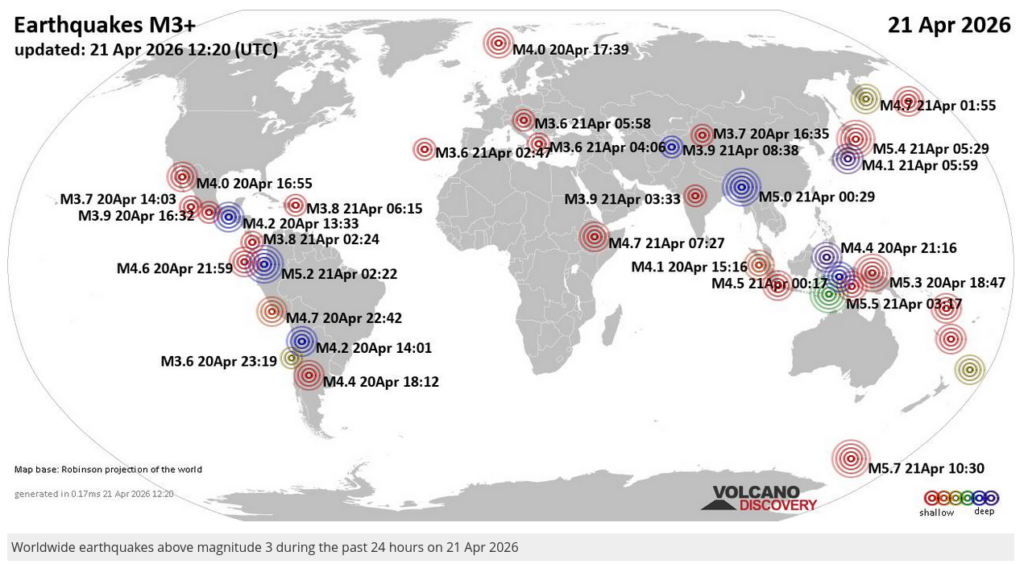
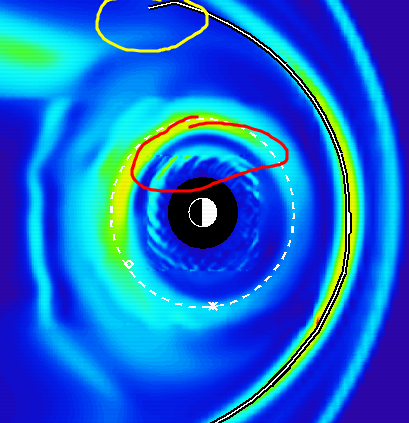
It is highly probable with M5+ quakes to be present. Advisories are on the board for a few regions. The Schumann also continues to show strong activity and anomalies indicating unrest below the Lithosphere.
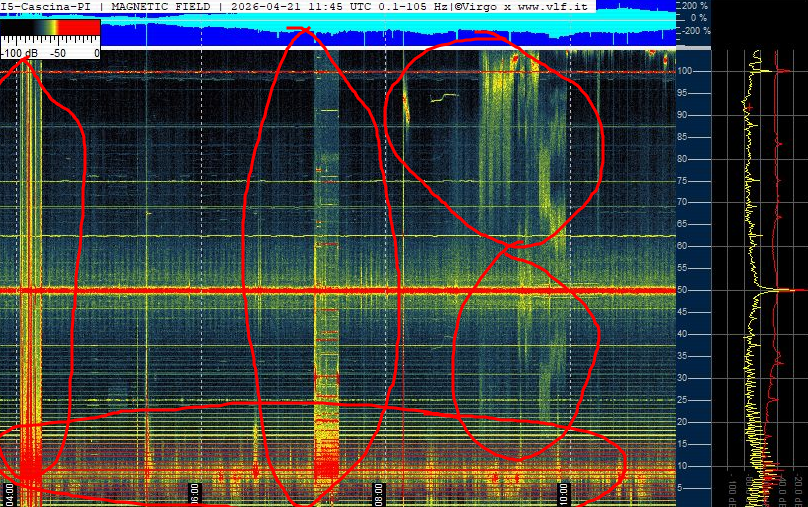
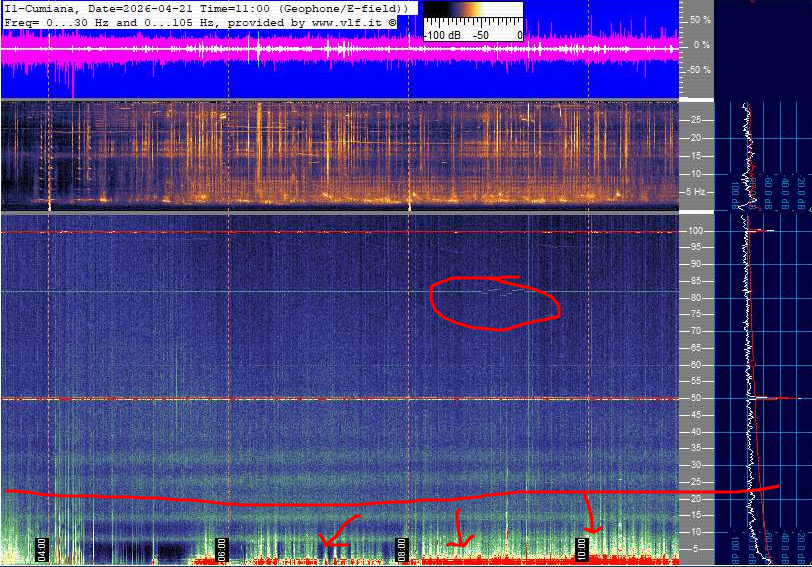
The Sun is also on the rise of activity with an impression flaring on the far side. The activity on the far-side with the last two weeks void of any flaring Earth-side does indicate strong cosmic forcing since our Solar System is sitting outside of the OORT Cloud.
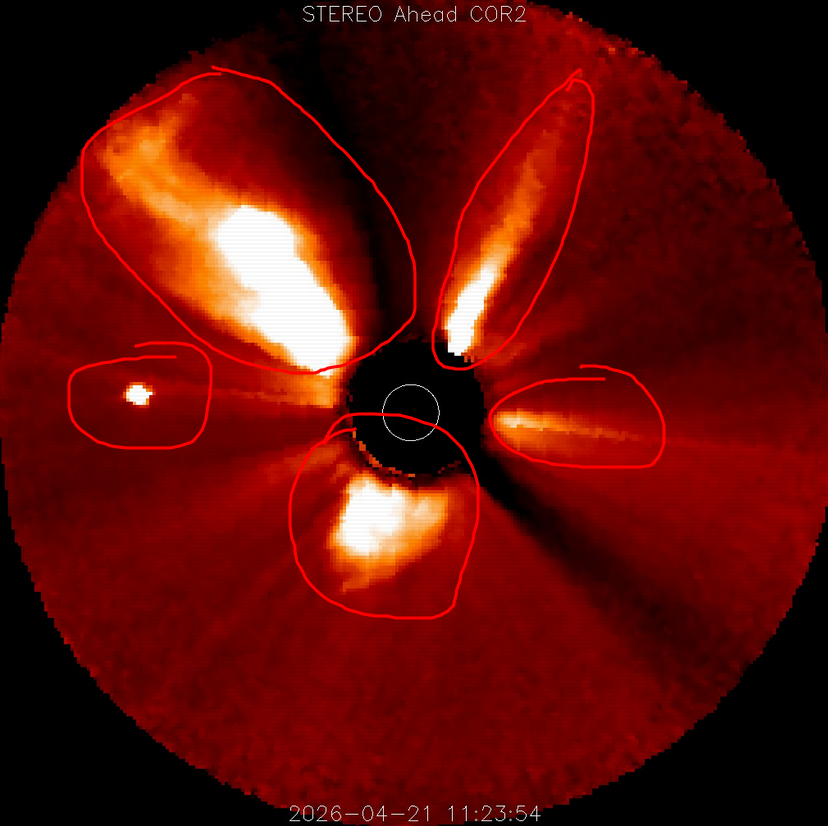
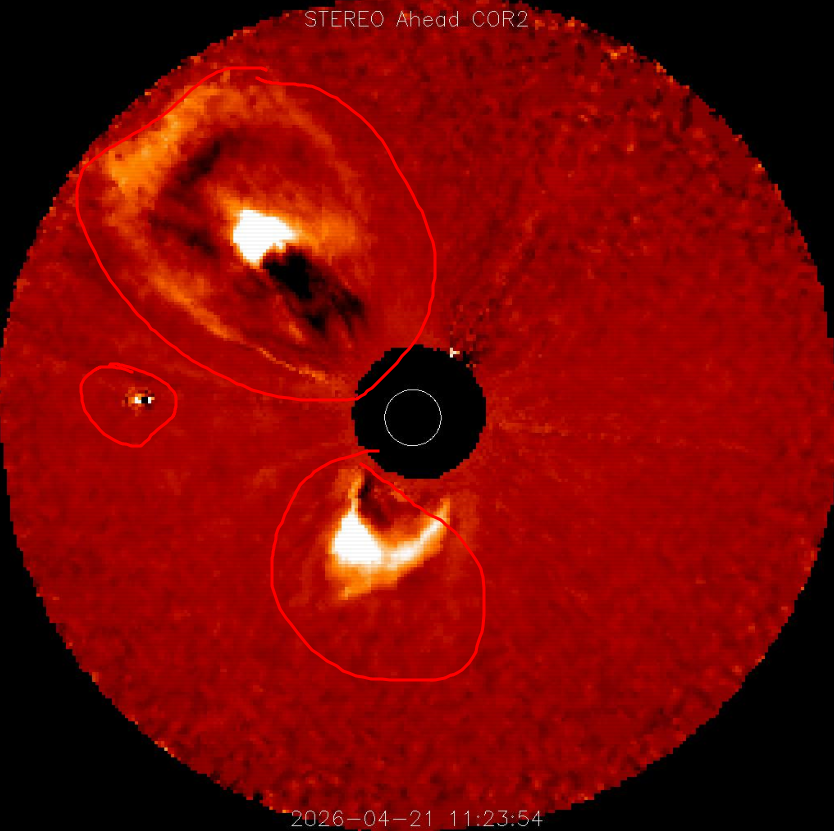
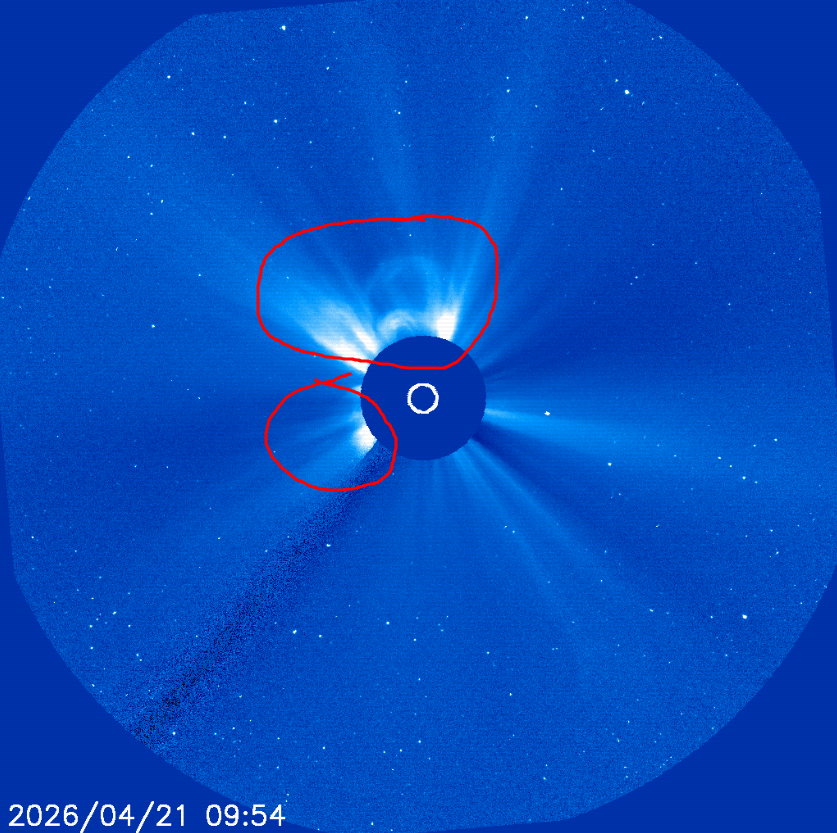
Another suggestion is our Solar System entered a debris field which could also cause flare-ups.
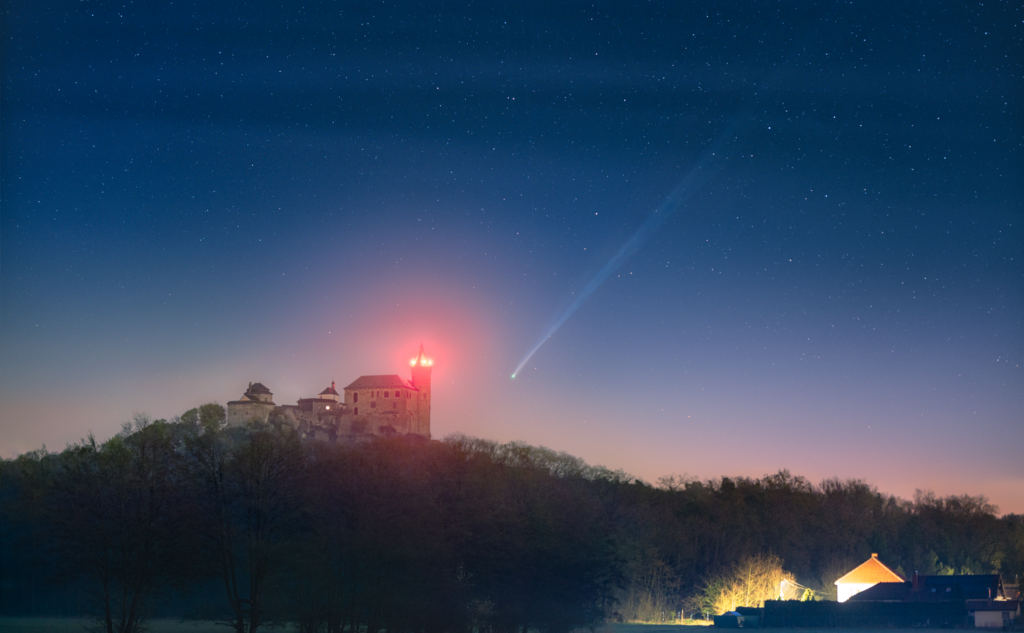
Comet PanSTARRS (C/2025 R3) is also continuing the downward decent reaching our systems equator. On April 23rd we should start to see a brighter Sun and possibly more!
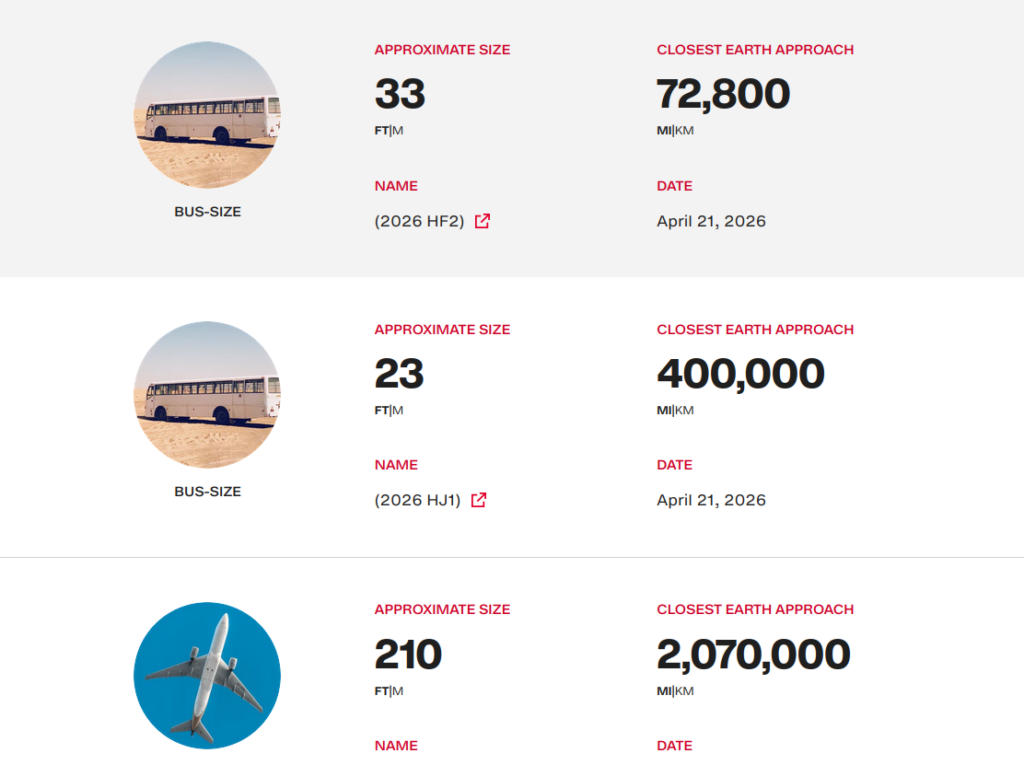
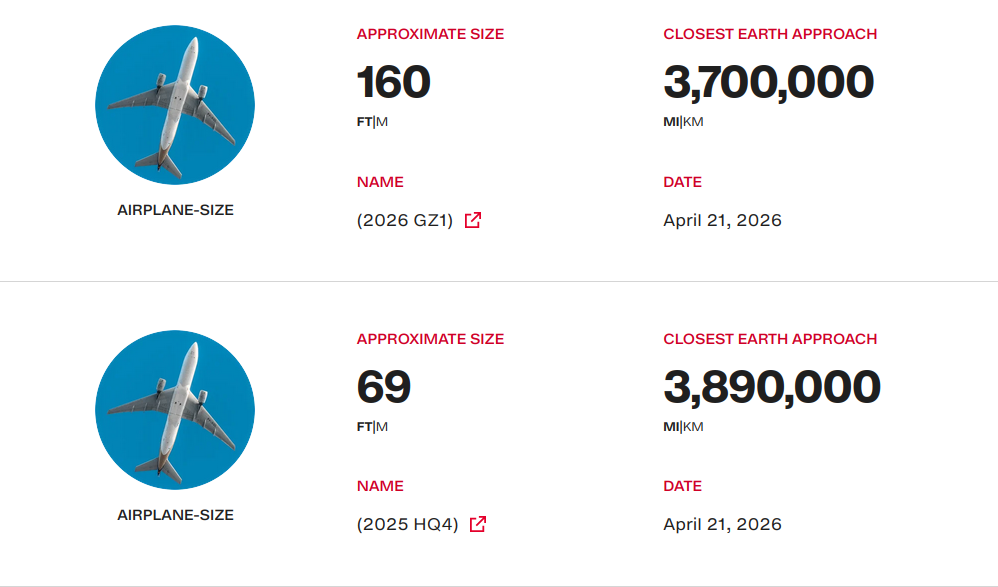
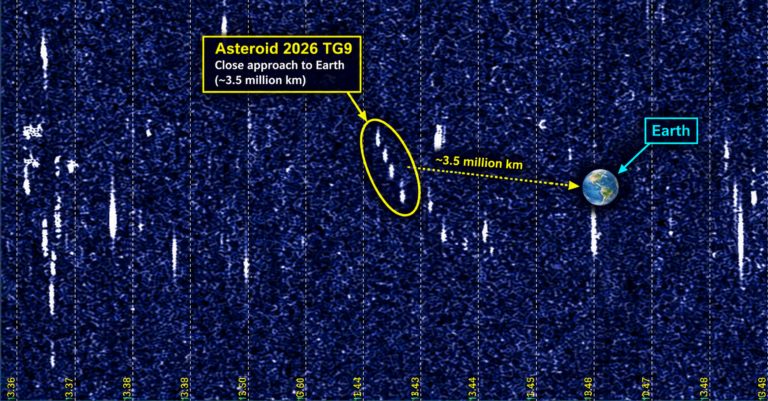
We have 5 asteroids on watch today. Two of them close to Earth. Adding the Lyrid meteor shower which peaks tonight, expect a few fireball sightings. Unfortunately, the meteor scatter data is still offline – I have my RTLSDR on those frequencies to be picking up.
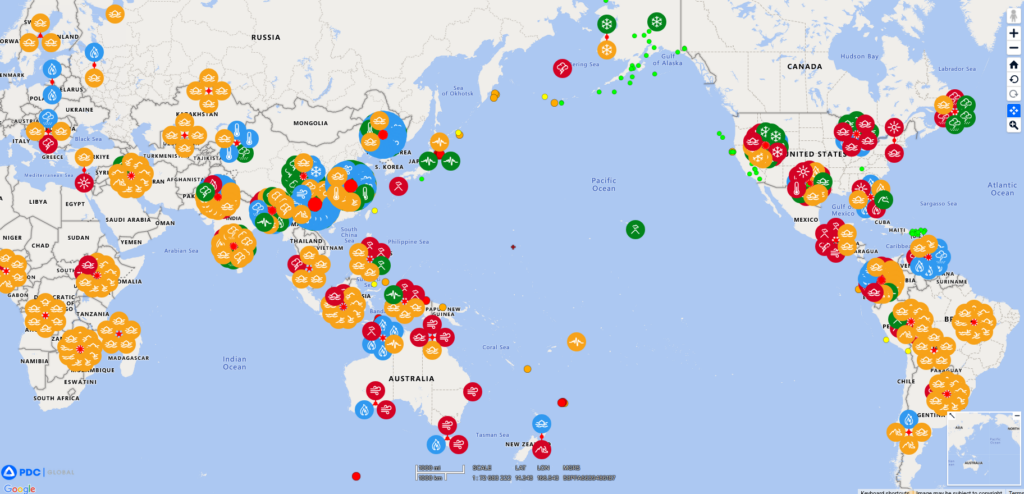
We have 457 currently active hazards from severe climate:
:Product: Forecast Discussion
:Issued: 2026 Apr 21 1230 UTC
# Prepared by the U.S. Dept. of Commerce, NOAA, Space Weather Prediction Center
#
Solar Activity

.24 hr Summary...
Solar activity reached low levels. The largest flare of the period was a
C5.3 at 21/0602 UTC from newly numbered Region 4421 (S16E70, Hax/alpha).
Region 4419 (N14W24, Eho/beta-gamma) exhibited minor growth in its
trailer spots, but its leader spot consolidated so the overall area did
not change appreciably. Region 4420 (N16E60, Dao/beta) was also numbered
and contributed low-level C-class flares.

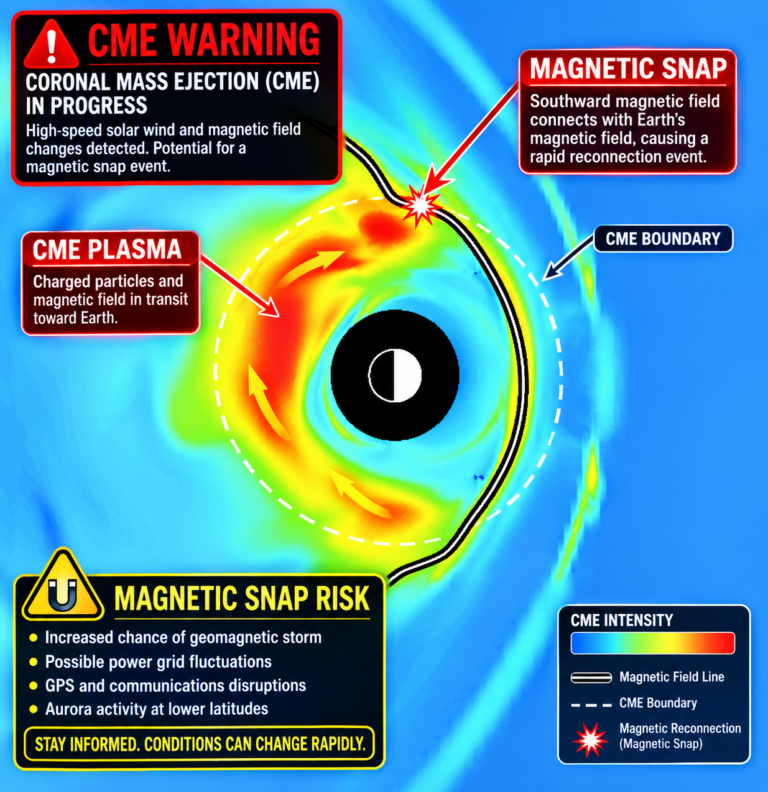
No Earth directed CMEs were observed in coronagraph imagery.

.Forecast...
Solar activity is expected to be at low levels, with a chance for
isolated C-class activity on 21-23 Apr, primarily due to the flare
potential from Region 4419 and limb activity.


Energetic Particle

.24 hr Summary...
The greater than 2 MeV electron flux at geosynchronous orbit reached
high levels at 19/1925 UTC with a maximum reading of 1,187 pfu. The
greater than 10 MeV proton flux was at background levels.

.Forecast...
The greater than 2 MeV electron flux is expected to be at moderate to
high levels on 21-23 Apr. The greater than 10 MeV proton flux is
expected to continue at background levels on 21-23 Apr.


Solar Wind

.24 hr Summary...
Solar wind parameters were at nominal/background levels at the beginning
of the reporting period then started becoming enhanced at approximately
20/0545 UTC. Total magnetic field (Bt) reached a max of 10 nT at 20/1330
UTC. The north-south component (Bz) had two sustained periods of south
deflection, reaching maximums of -8 nT both periods. The wind speed
slowly increased from ~415 km/s to a max of ~570 km/s at 20/1430 UTC,
where it largely stayed for the remainder of the reporting period. Phi
was mostly in a negative orientation (towards the Sun), with isolated
oscillations into a positive position.

.Forecast...
Weakening enhanced solar wind conditions are expected on 21 Apr as the
CH HSS continues to move from its geoeffective position. A return to
mostly nominal conditions is expected 22-23 Apr.


Geospace

.24 hr Summary...
The geomagnetic field went from Quiet to G1 (Minor) storming levels due
to sustained periods of negative Bz during the ongoing -CH HSS
conditions.

.Forecast...
Mostly quiet to unsettled levels are expected on 21 Apr, with isolated
active conditions possible and a slight chance for G1 (Minor) storm
levels, as HSS effects diminish. Mostly quiet levels are expected, with
possible unsettled periods, on 22 Apr as CH HSS influence dissipates,
with predominantly quiet levels on 23 Apr.
About The Author