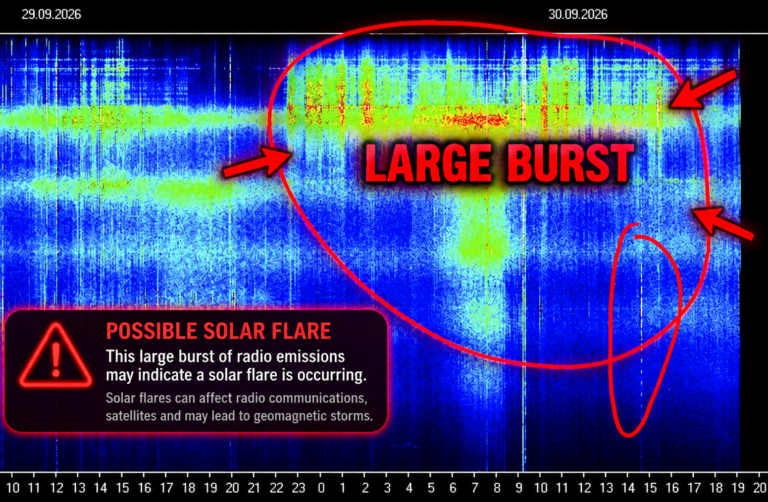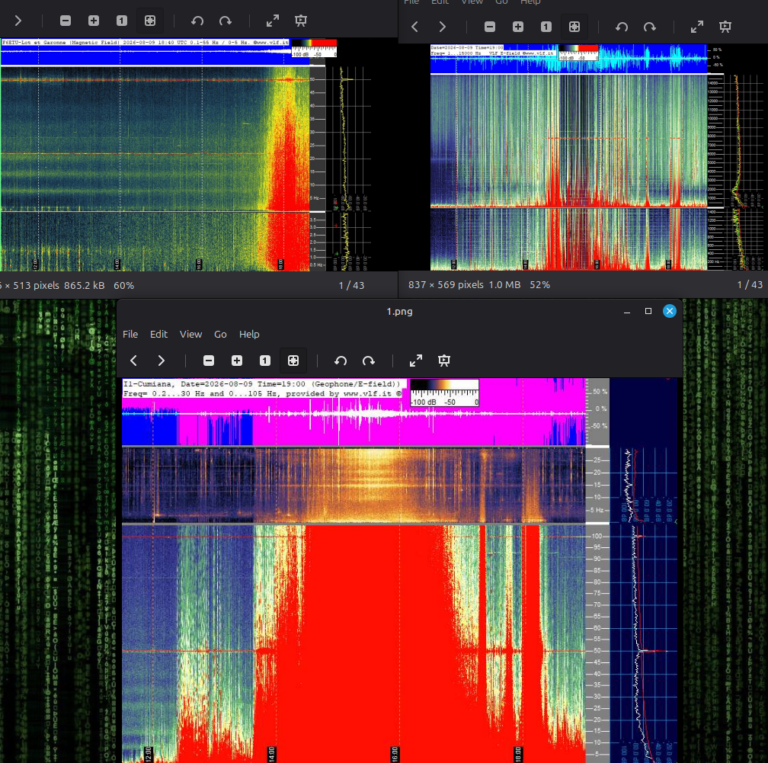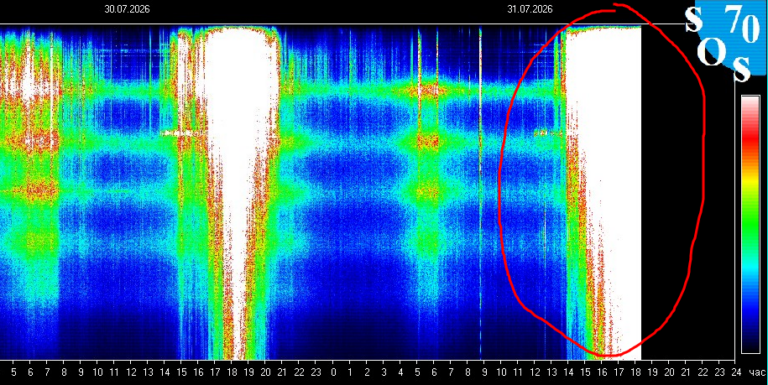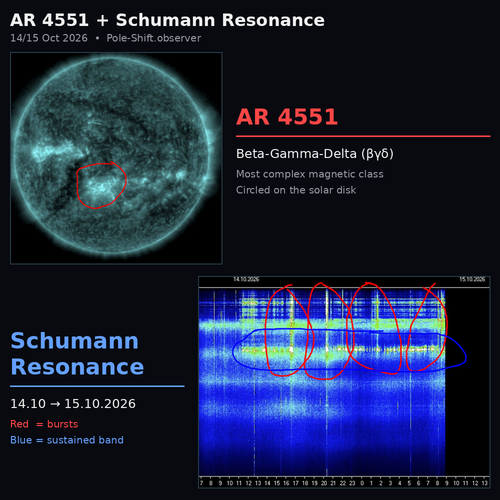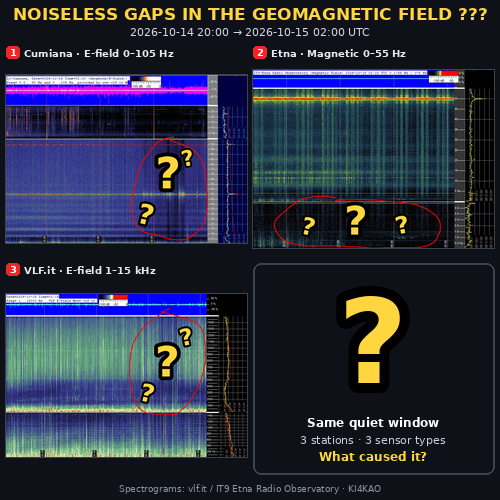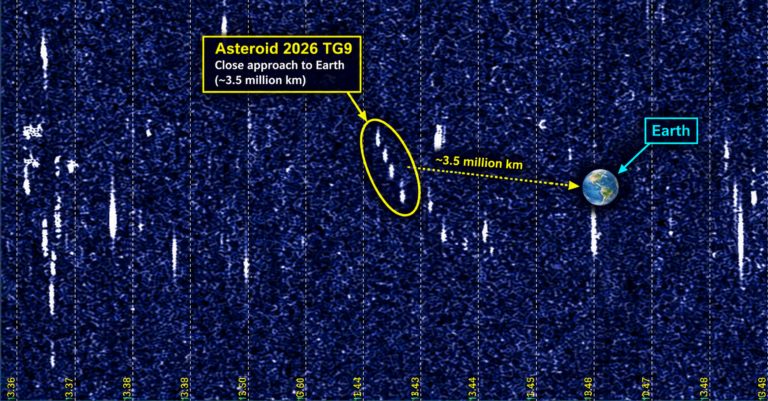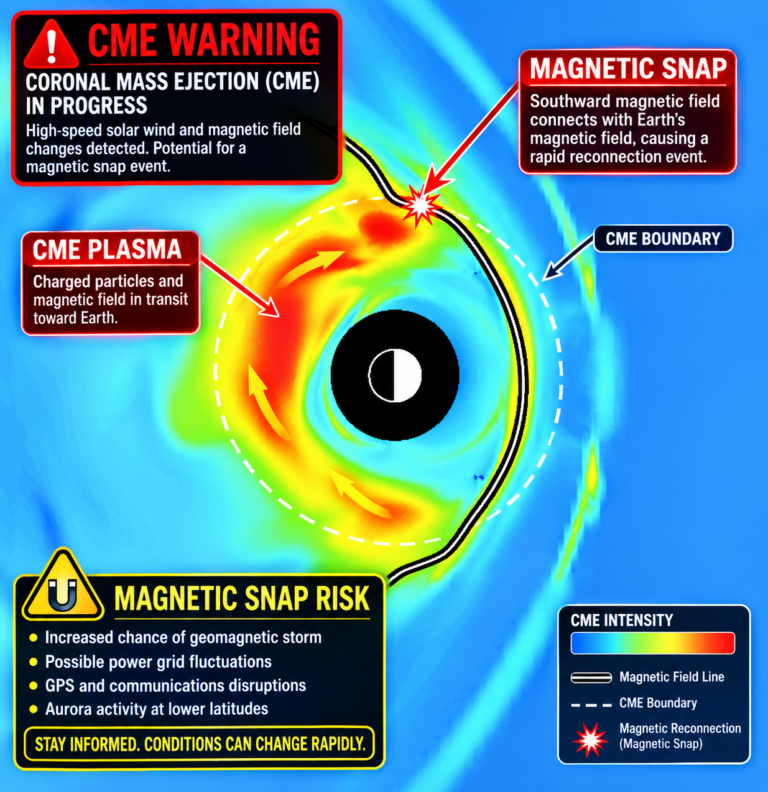
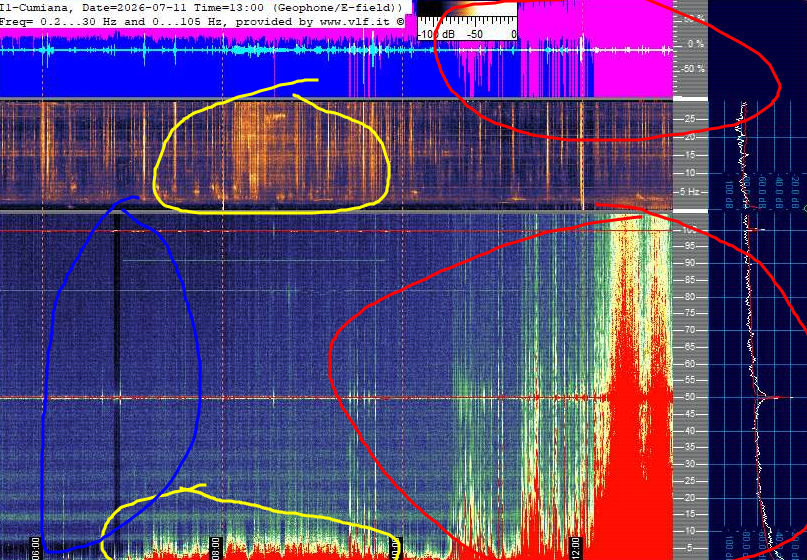
As Earth enters the lunar geometry with multiple planets, geomagnetic disturbance is peaking with high density cosmic radiation.
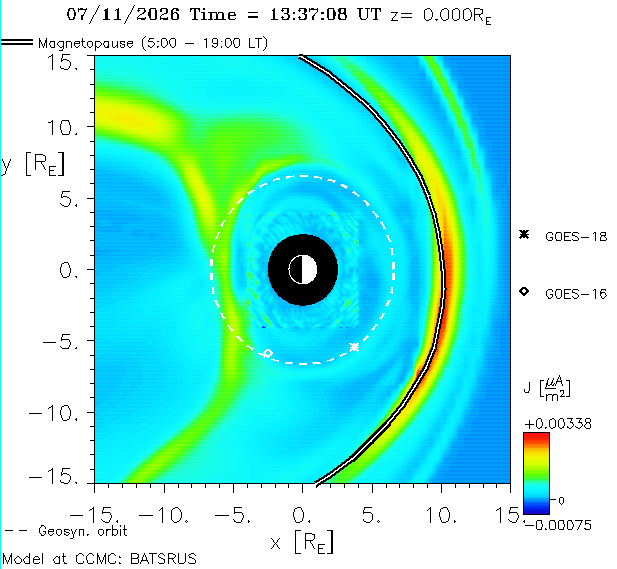
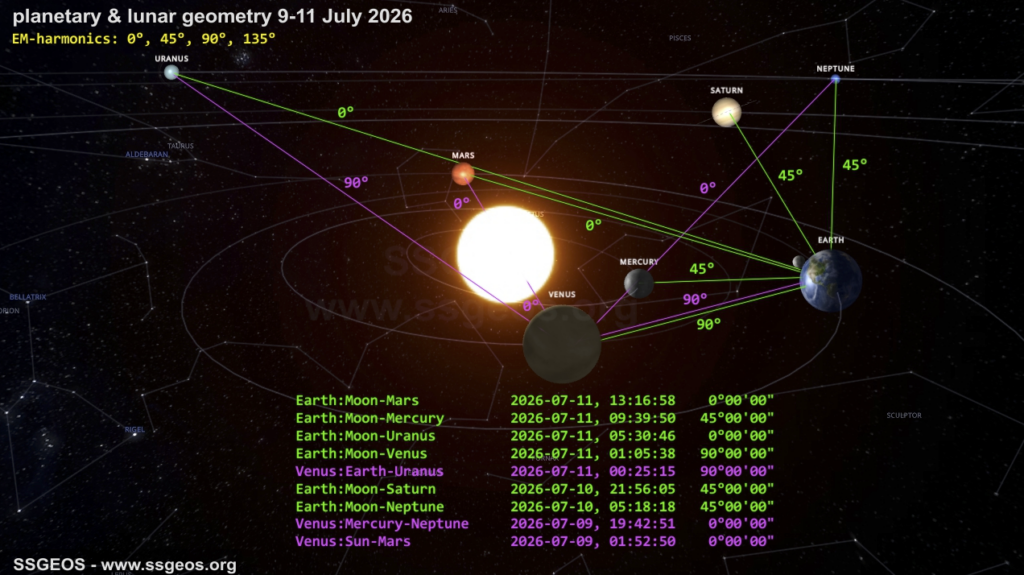
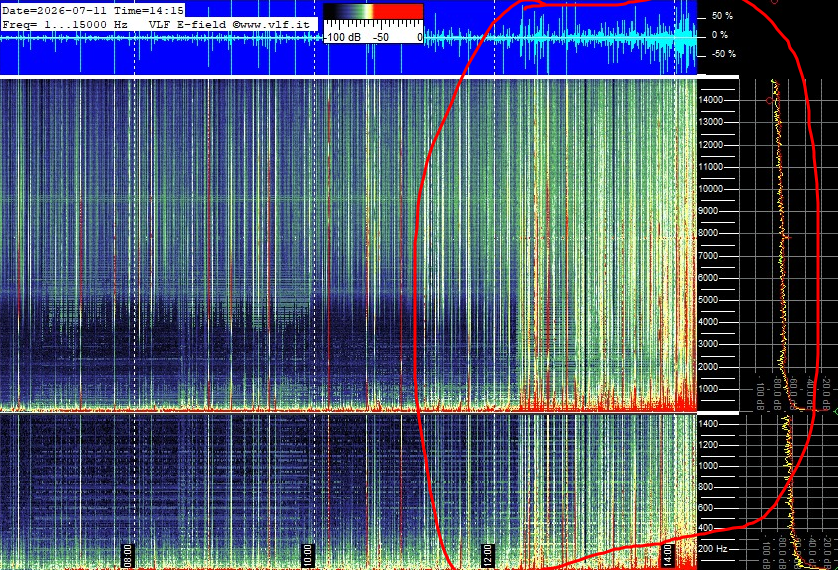
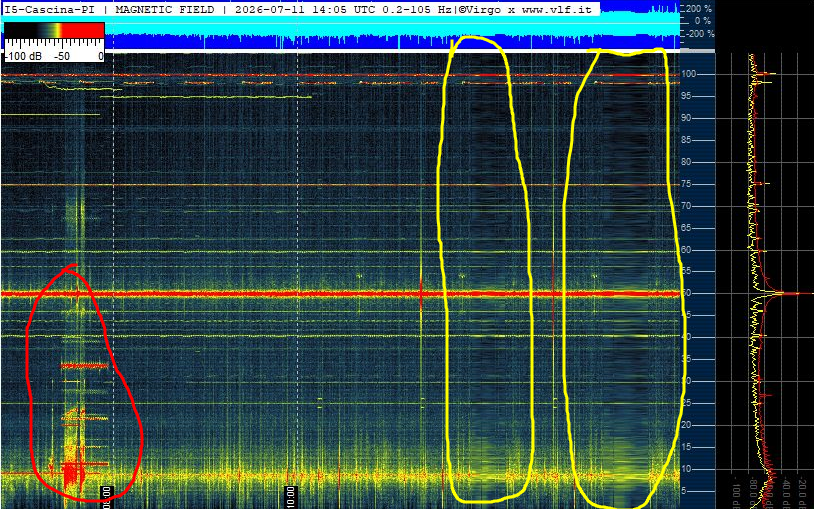
We already seen precursor yesterday with spikes in Cumiana indicating multiple large quakes will happen today, and more tonight into tomorrow.
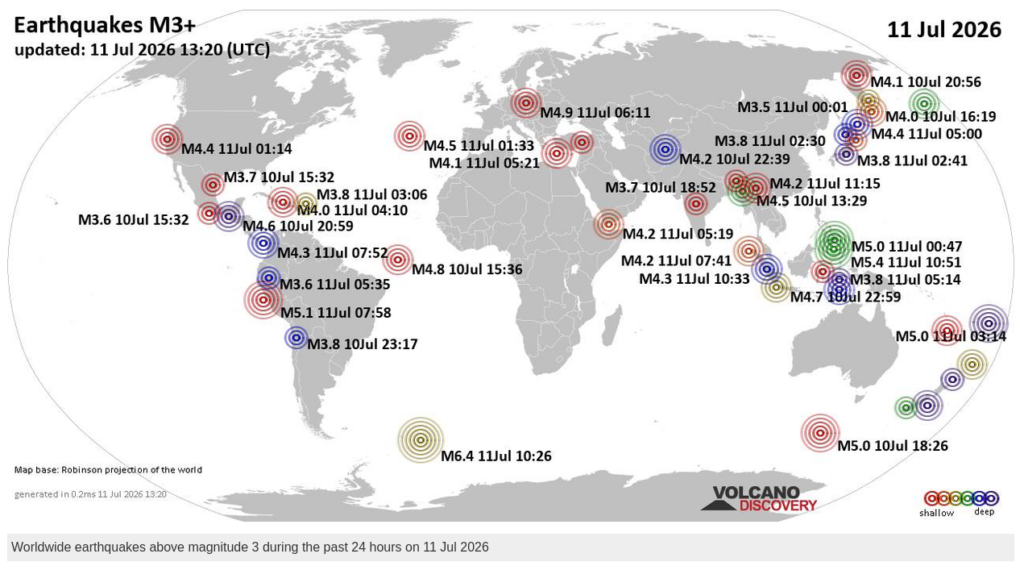
Multiple location governments are silently preparing without alarming the public. China, United States and even the Middle Eastern countries are on alert. Here in Eastern Kentucky, we are seeing seismic activity rising which indicates the New Madrid fault line is moving but also the activity can be elsewhere such as the Cuba or even California which is on high alert for the highest stress seen.
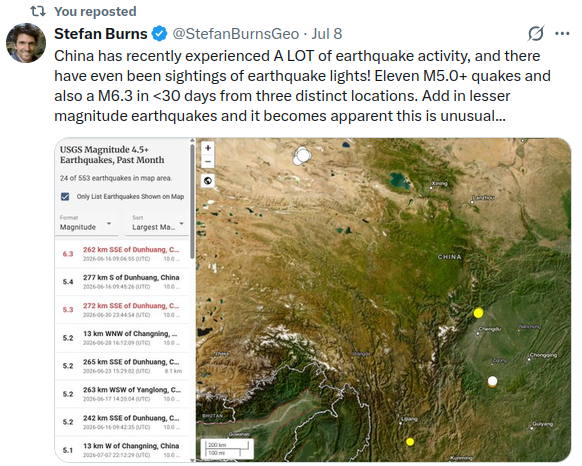

Anomalies continue to be shown on the geomagnetic field in other locations indicating that change is still happening. We have magma flowing upward and also sloshing with another sloshing coming in two months.
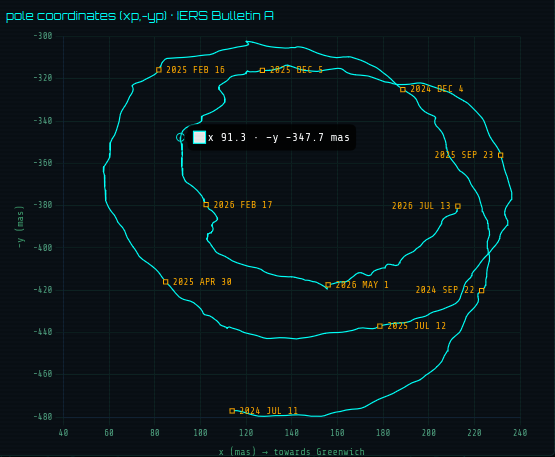
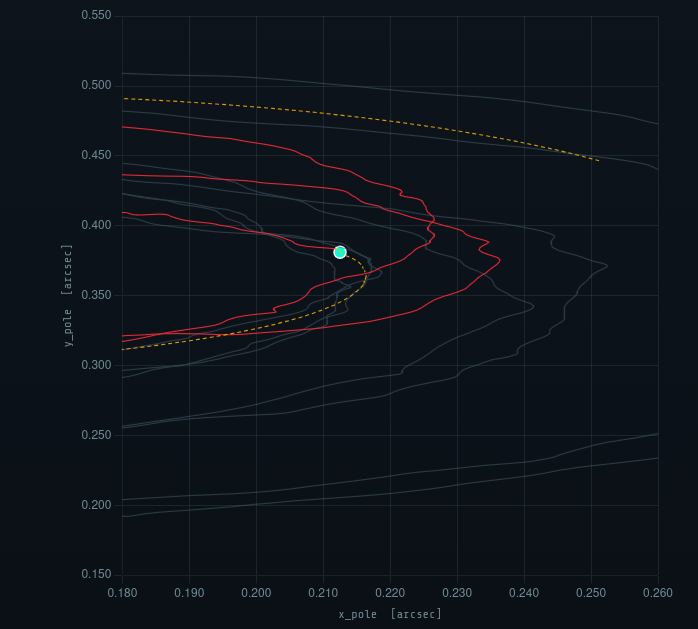
At the same time, the sloshing would be helped by the Earths wobble which is about to turn and we will see the new polar motion continue for a few months on its path.
More News:
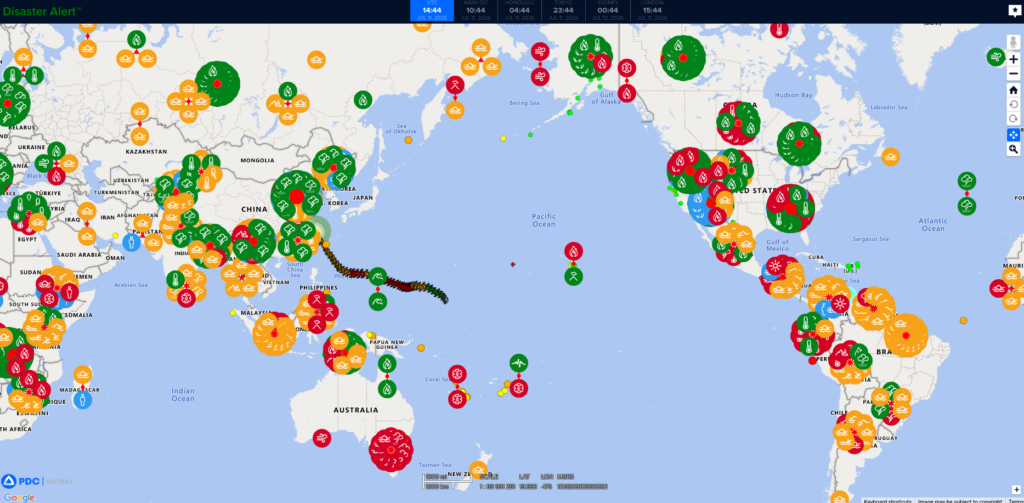
There are 778 currently active climate alerts on this planet:
:Product: Forecast Discussion
:Issued: 2026 Jul 11 1230 UTC
# Prepared by the U.S. Dept. of Commerce, NOAA, Space Weather Prediction Center
#
Solar Activity

.24 hr Summary...
Solar activity remained at low levels, with the largest flare of the
reporting period being a C6.0/1f flare at 10/1459 UTC from Region 4485
(S10W68, Dac/beta-gamma). An associated CME was first observed in LASCO
C2 coronagraph imagery at approximately 10/1512 UTC. Modelling and
analysis of this event indicated the bulk of the material should pass
ahead of Earth. This region continues to show new flux emergence, with
notable development in its intermediate spot area. The remaining regions
were stable or showing signs of decay.

From around 10/1310-1445 UTC, an approximately seven degree long
filament, centered near N05E65, was seen lifting off from the Sun in
GONG H-Alpha imagery. Due to the location near the East limb, and its
trajectory, no Earth-directed component is expected.

.Forecast...
Solar activity is expected to remain at low levels, with a slight chance
for M-class (R1-R2/Minor-Moderate) flares through 13 Jul, mainly due to
the complexity and flare potential of Region 4485.

Energetic Particle

.24 hr Summary...
The greater than 2 MeV electron flux at geosynchronous orbit reached
high levels, with a peak flux of 2,028 pfu observed at 10/1545 UTC. The
greater than 10 MeV proton flux remained at background levels.

.Forecast...
The greater than 2 MeV electron flux is expected to reach high levels
over 11-13 Jul under high-speed stream influences. The greater than 10
MeV proton flux is anticipated to remain at background levels through 13
July.

Solar Wind

.24 hr Summary...
Solar wind parameters reflected the ongoing and waning influence of a
negative polarity coronal hole high-speed stream. Solar wind speeds
decreased from ~650 km/s to approximately 500 km/s by the end of the
period. Total field strength was predominantly averaged 5 nT, with a
variable Bz component that ranged +/- 5 nT. The phi angle remained
predominantly in the negative sector.

.Forecast...
Elevated but diminishing solar wind parameters are expected on 11 Jul as
effects from the high-speed stream are anticipated to continue weakening
throughout the day. Another enhancement is anticipated mid to late in
the UTC day on 12 Jul due to possible glancing influences from a CME
that departed the Sun on 09 Jul. By 13 Jul, the elevated conditions are
expected to begin tapering off, returning the environment back to near
background levels.

Geospace

.24 hr Summary...
The geomagnetic field was quiet to unsettled under the weakening
influence of the high-speed stream.

.Forecast...
Persistent -CH HSS influences are likely to keep the geomagnetic field
under slightly elevated conditions, with mostly quiet to unsettled
levels, and a chance for isolated active periods on 11 Jul. By around
midday on 12 Jul, active conditions are anticipated, with isolated
periods of G1 (Minor) storming conditions likely, due to the possible
glancing impacts of the 09 Jul CME, though confidence on timing and
magnitude remains low. Conditions should begin to taper down by 13 Jul
as the CME completes its transit past Earth, bringing levels down to
mostly quiet for the remainder of the day.
About The Author