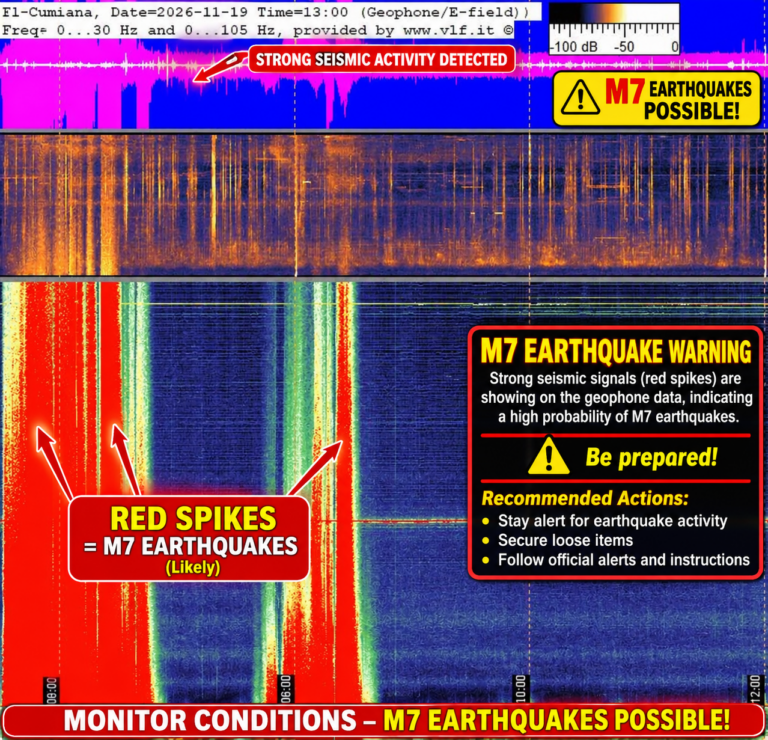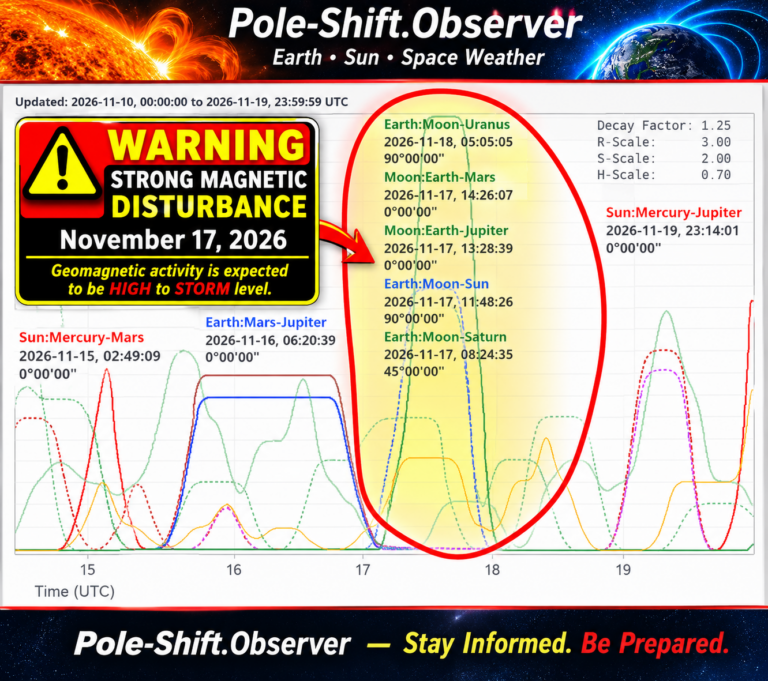
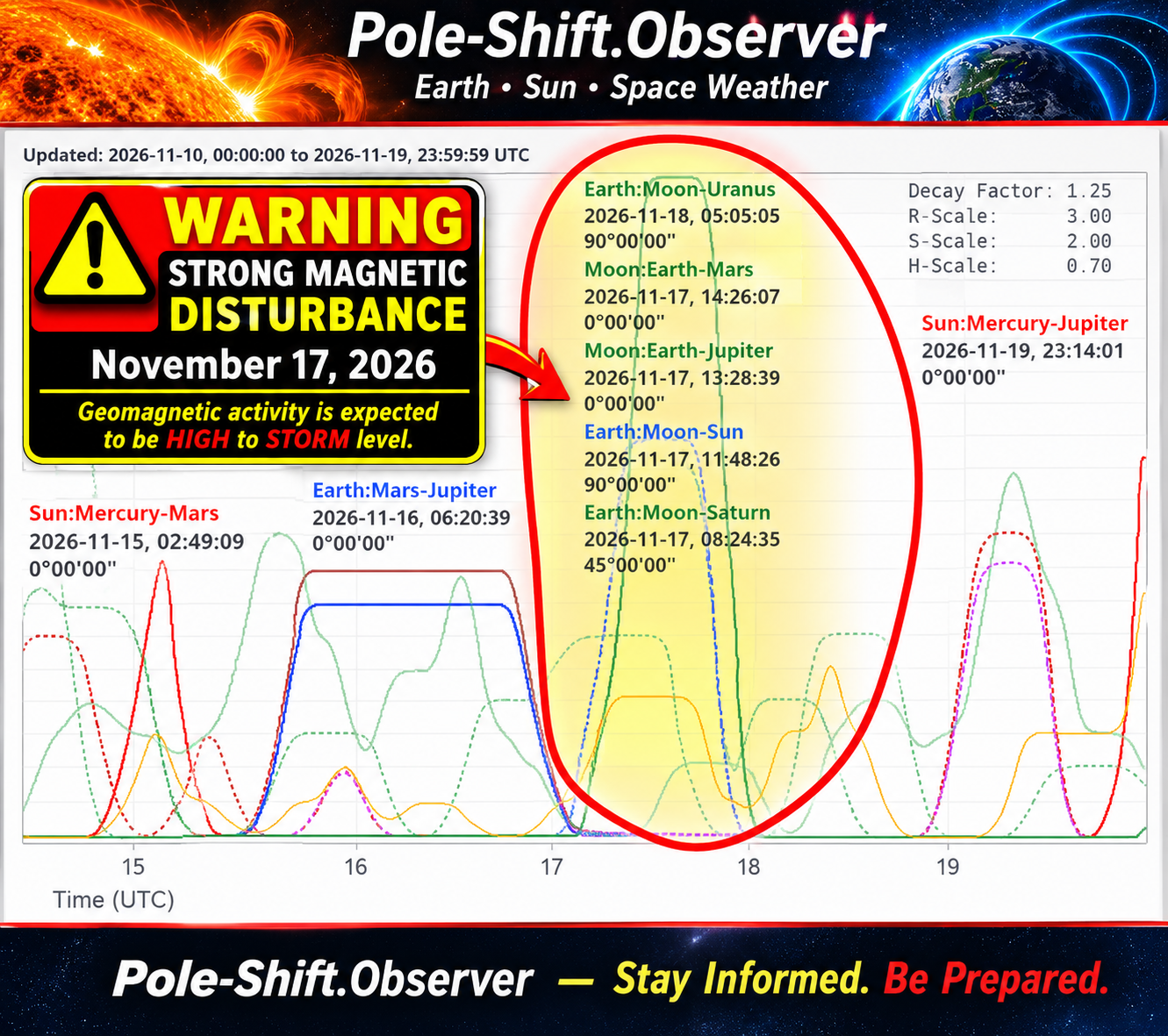
On November 17th, we have a multiple-lunar geometry which can produce large quakes from tectonic locking and stress. A few countries such as Japan, China, United States and others are also on the same alert as if this geometry produces a strong gravitational tug and push, we can see a domino effect. Coincidentally enough, The United States will be releasing an EAS test on the very same day which makes it worth noting just in case.

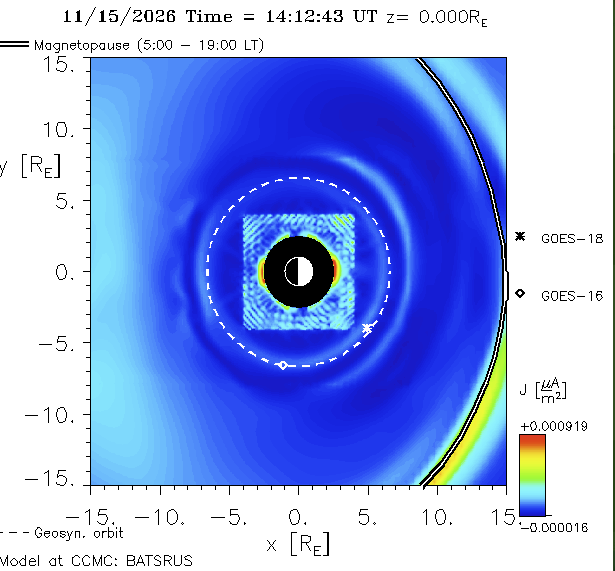
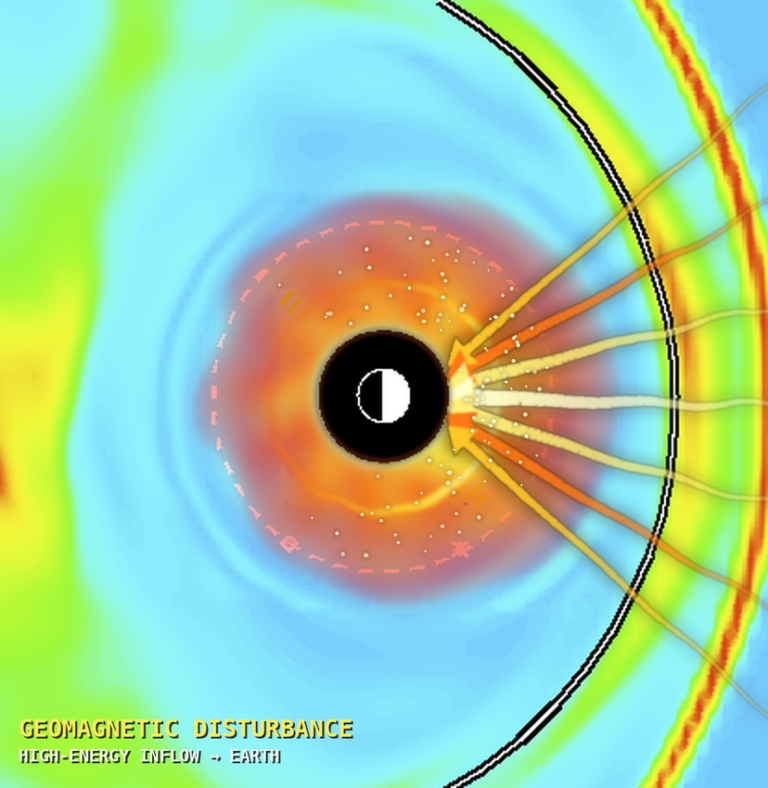
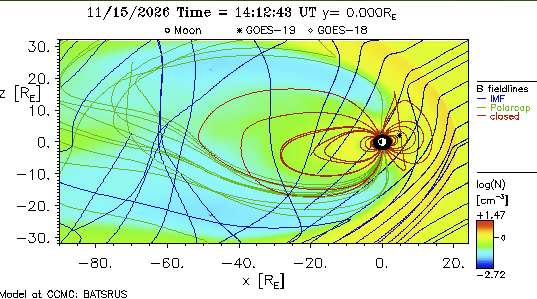
As of right now, a strong geomagnetic disturbance is already happening with the bow shock of positive polarity and Earth is struggling to cope.
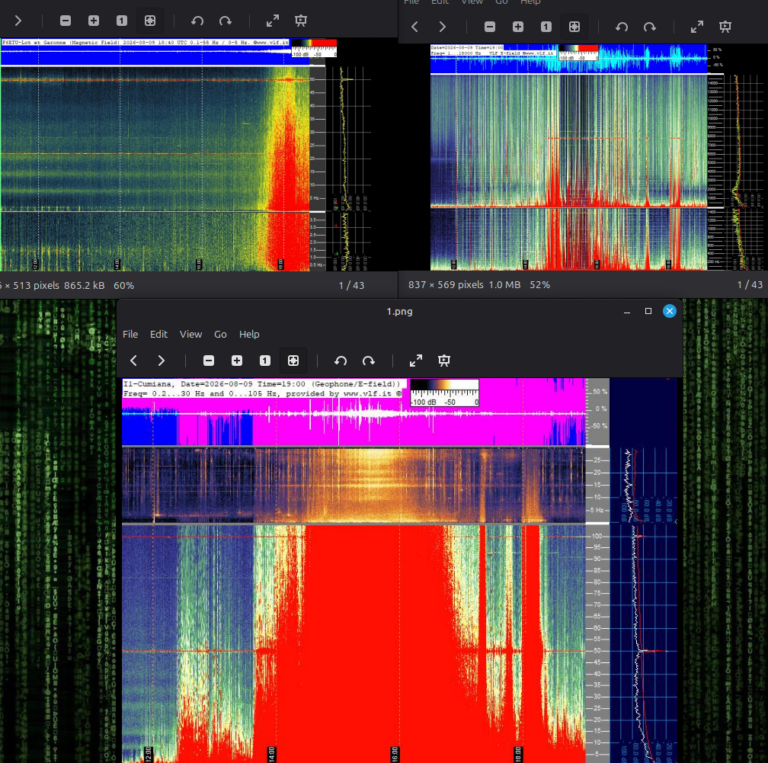
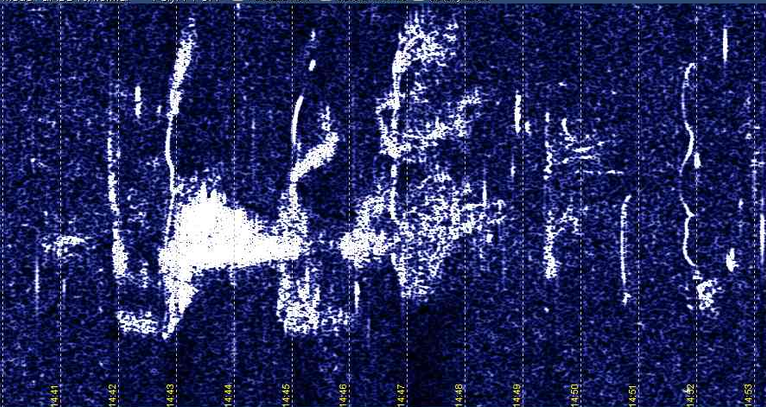
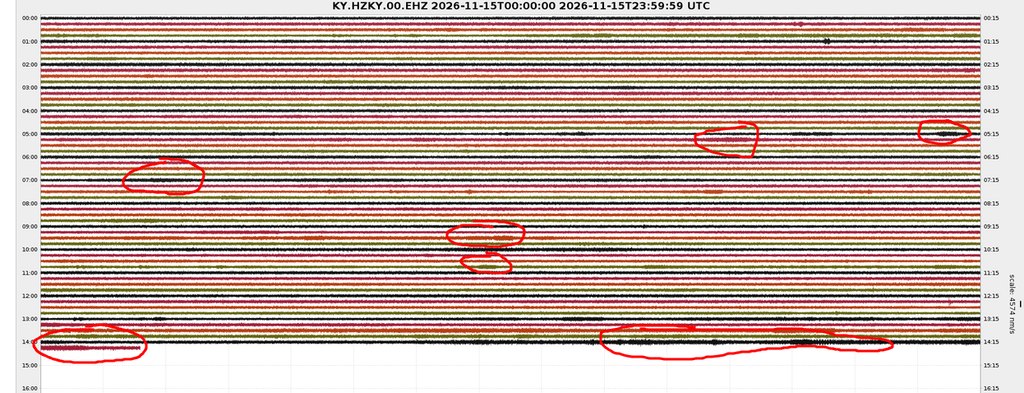
Even under Eastern Kentucky where the lithosphere is mostly limestone, we can see tectonic stress in live time and there is activity recorded which can give us a better indication on what to expect comes this Tuesday.
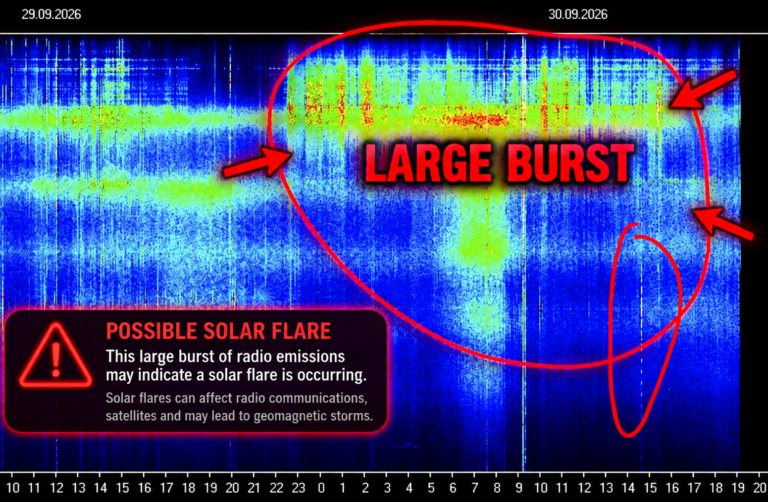
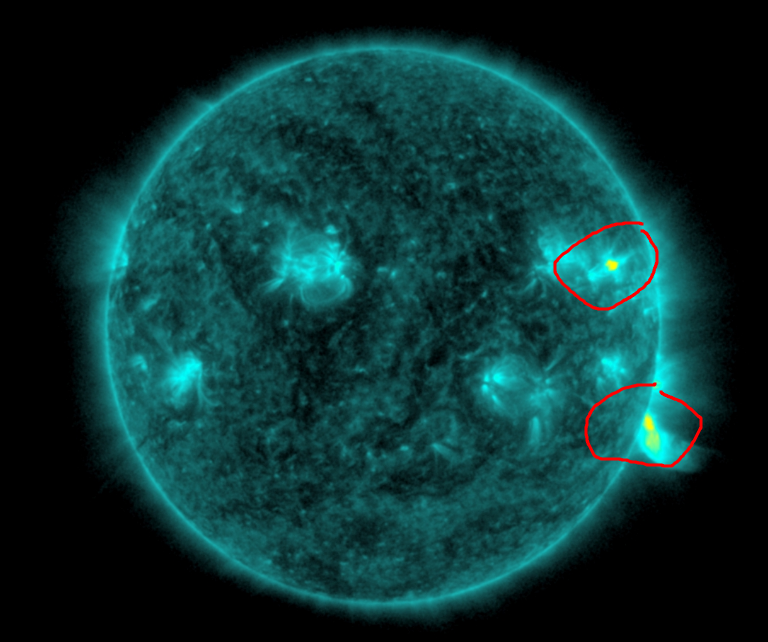
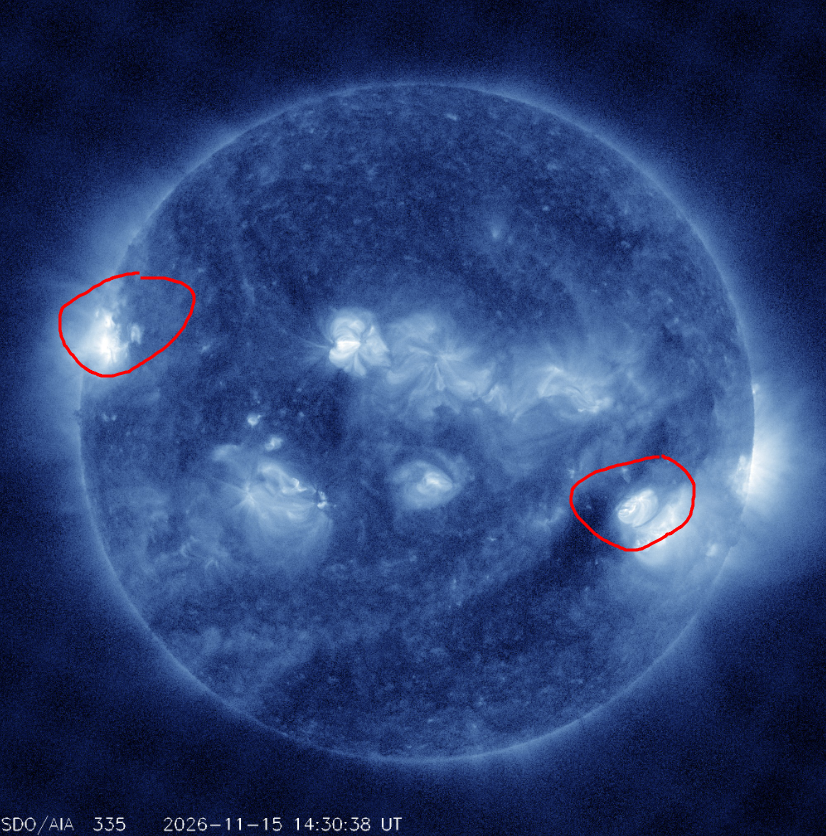
And as for our Sun, no major complexities in Sunspots but last night we had a few energy burst recorded. 2 MeV electron flux and above has been reached and will continue until November 17th. Bulletin can be found on the new dashboard or more details will be at the bottom of this post.
More News:
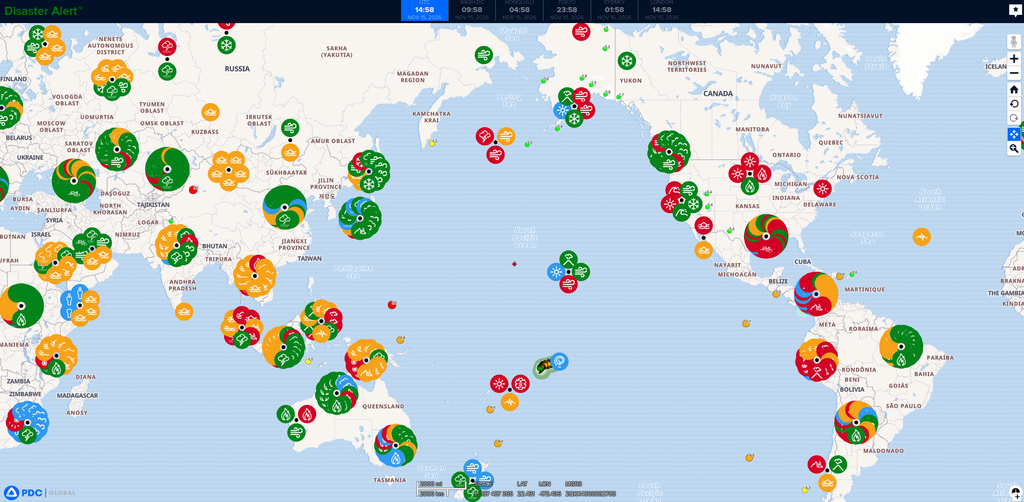
There is currently 626 active climate emergencies currently on the planet:
:Product: Forecast Discussion
:Issued: 2026 Nov 15 1230 UTC
# Prepared by the U.S. Dept. of Commerce, NOAA, Space Weather Prediction Center
#
Solar Activity

.24 hr Summary...
Solar activity continued at low levels. Regions 4576 (S18W46,
Dai/beta-gamma) 4578 (S12W39, Cao/beta), and 4579 (N15E66, Hsx/alpha)
all contributed low-level C-class flares. The most notable event was a
C2.8/Sf at 14/2127 from Region 4579. This flare was accompanied by a
Type II radio sweep, with an estimated velocity of 1,972 km/s, and a
Type IV radio sweep. An associated CME was subsequently first observed
in LASCO coronagraph imagery at ~14/2136 UTC, with modeling and analysis
indicating possible glancing influences late on 17 to early 18 Nov.
Regions 4574 and 4578 exhibited growth, mainly in their leader spots,
during the period while the remaining regions were stable or in decay.

From approximately 14/0130-0930 UTC, a large filament was observed in
GOES SUVI/AIA 304 imagery lifting off the solar disk in the southern
hemisphere. However, no discernible CME could be located in available
coronagraph imagery.

.Forecast...
Solar activity is expected to be low with a chance for M-class flares
(R1-R2, Minor-Moderate) over 15-17 Nov.

Energetic Particle

.24 hr Summary...
The greater than 2 MeV electron flux reached high levels with a peak
flux of 5,837 pfu observed at 14/1300 UTC. The greater than 10 MeV
proton flux was at background levels.

.Forecast...
The greater than 2 MeV electron flux is expected to reach high levels
through 16 Nov and decrease to moderate levels on 17 Nov. The greater
than 10 MeV proton flux is expected to continue at background levels on
15-17 Nov.

Solar Wind

.24 hr Summary...
Solar wind parameters reflected ambient solar wind conditions. Total
field ranged from 1-4 nT while the Bz component was variable between
+/-4 nT. Solar wind speed saw a slow and steady decrease from beginning
values near 430 km/s to end the period around 365 km/s. Phi was in a
mostly negative orientation.

.Forecast...
Nominal solar wind conditions are expected on 15 Nov. A gradual increase
in solar wind parameters is likely on 16 Nov with the anticipated onset
of a SSBC in advance of a positive polarity CH HSS. Further enhancements
are possible on 17 Nov as a positive polarity CH HSS moves into a
geoeffective position coupled with the possible arrival of the 14 Nov
CME late in the period.

Geospace

.24 hr Summary...
The geomagnetic field was quiet.

.Forecast...
Mostly quiet conditions are expected on 15 Nov, with an increase to
unsettled to isolated active periods on 16 Nov, and a further increase
to active to isolated G1 (Minor) levels on 17 Nov as the CH HSS moves
into a geoeffective position coupled with the possible arrival of the 14
Nov CME late in the period.
About The Author