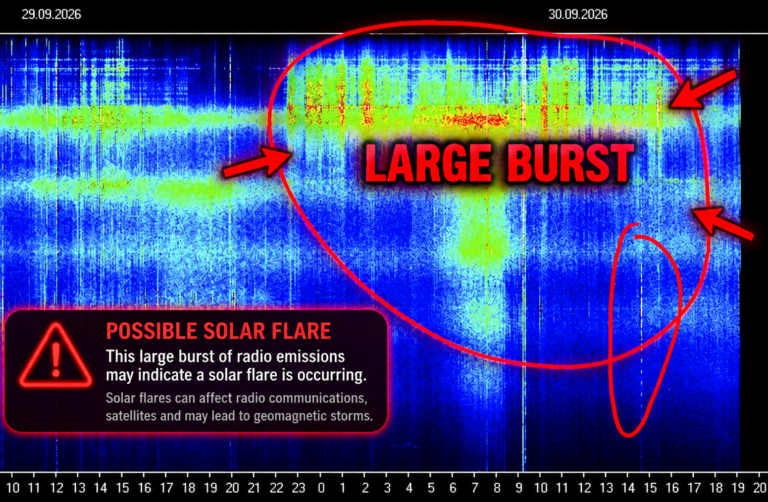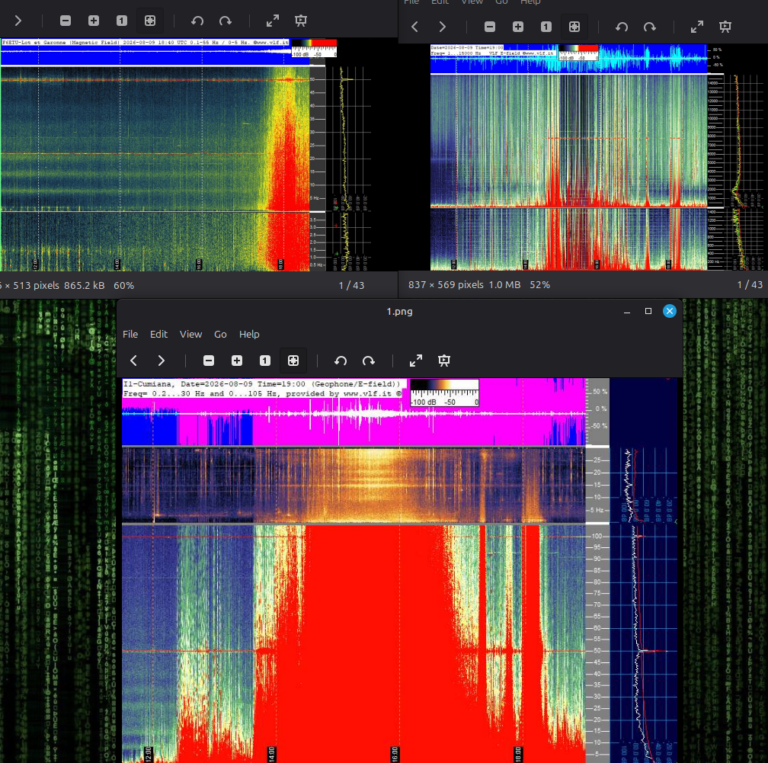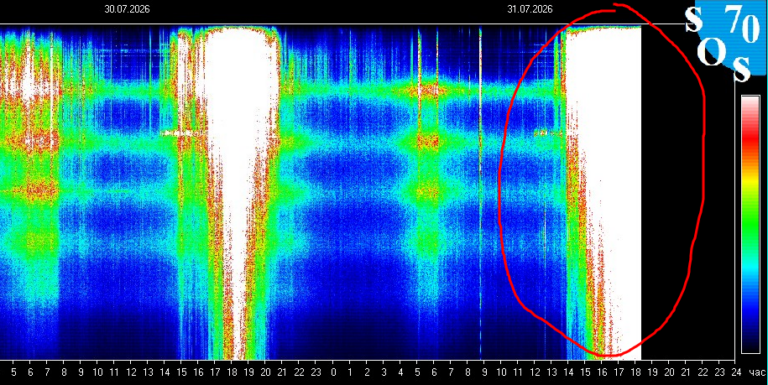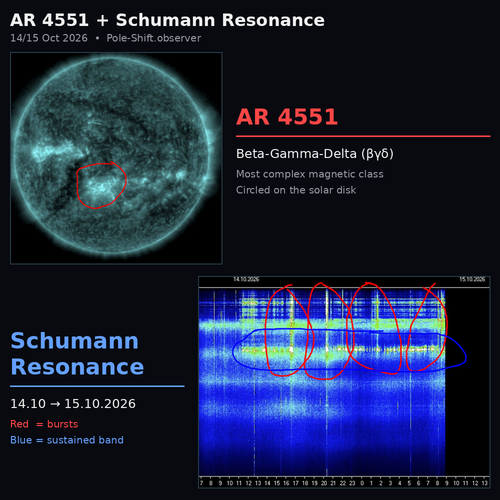
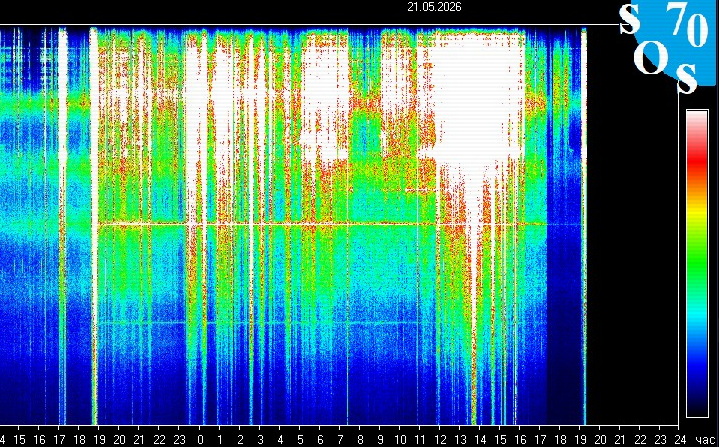
With a very low activity from the sun, new data indicates a rise of activity on sunspot 4441 which also shows on the Schumann due to its’ complexity. Could be small mixing of polarity but nothing major enough to cause flaring. Minor activity possibly in the works.
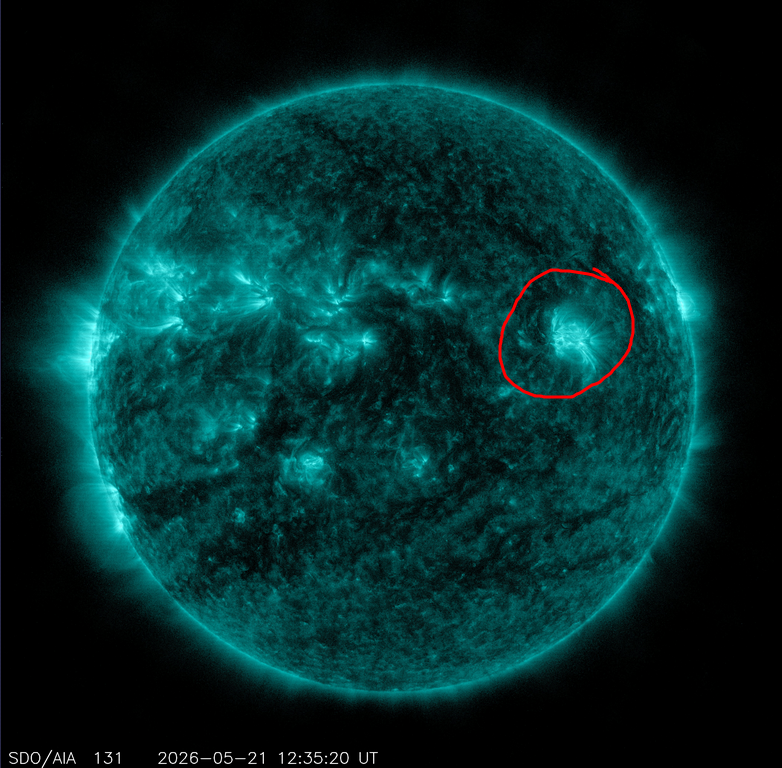
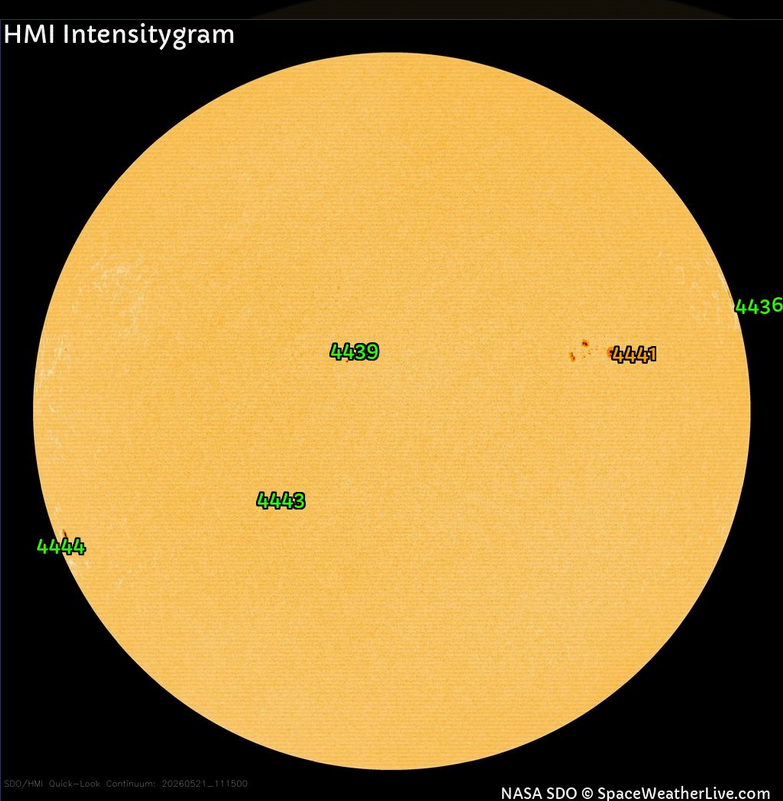
We are looking at a low M-Class flare which is currently building up during this post but chances remain small as it turns away from Earth.
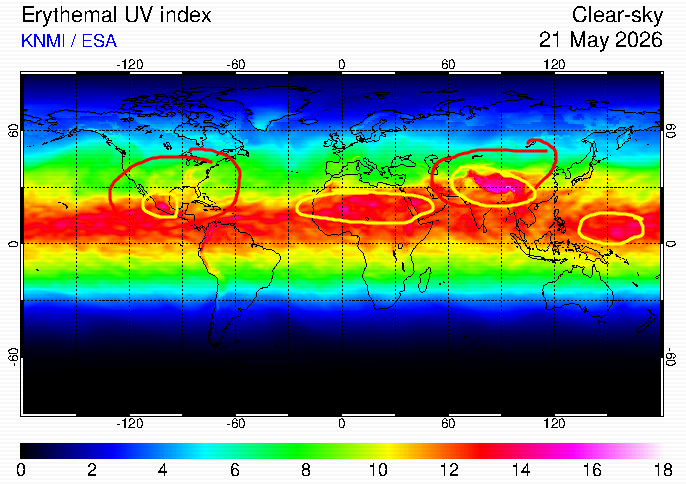
Earth is starting to heat up and the source is not coming from space (but something is contributing from the Sun). Areas of high UV are starting to break through the atmosphere in certain areas with UV reaching between 15-18. Before 2020, UB hardly reached beyond 12 in desert places but we can see Earth has changed. Circled in yellow are the extreme UV but most of the equator is still UV 10-12. The atmosphere is starting to thin.
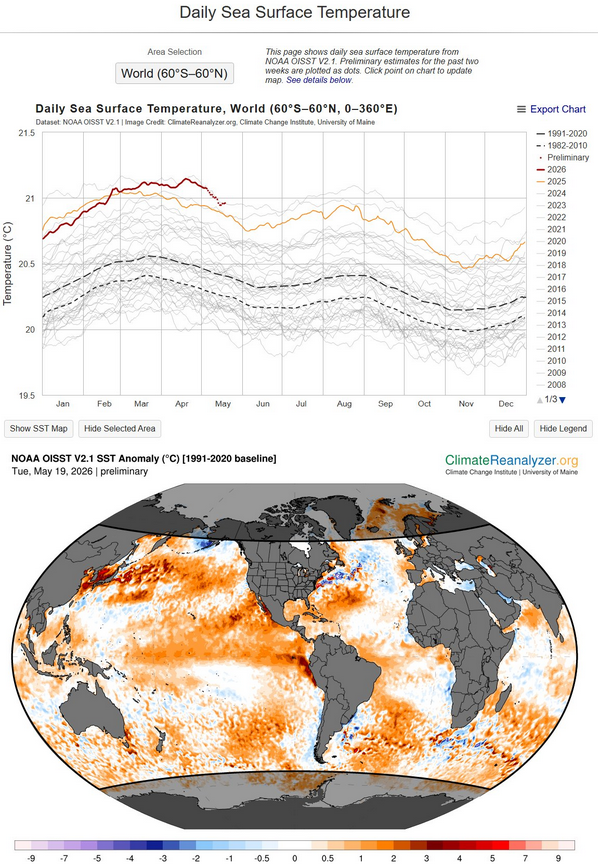
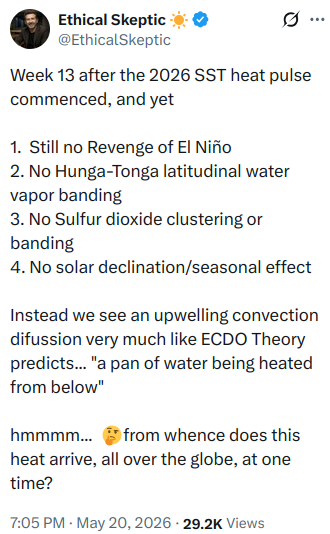
Ethical Skeptic released a post indicating further heat-up underground. Besides tectonic stress which can cause friction to develop and kinetic energy to form, the core-mantle boundary is heating up the trapped water which if you folks remember the mainstream articles on climate change the last few years, there are oceans of water under the Lithosphere. We have a double-impact of heat on this planet which will further destroy ecosystems and more areas will become the new deserts such as the Sahara.
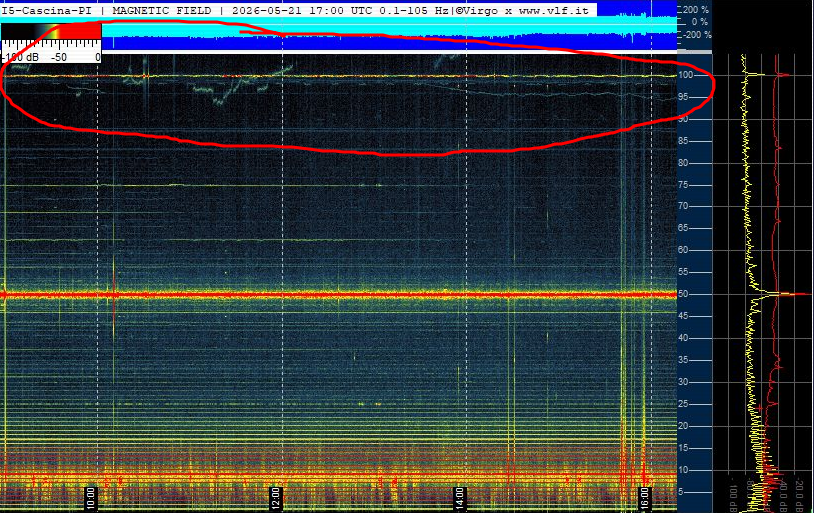
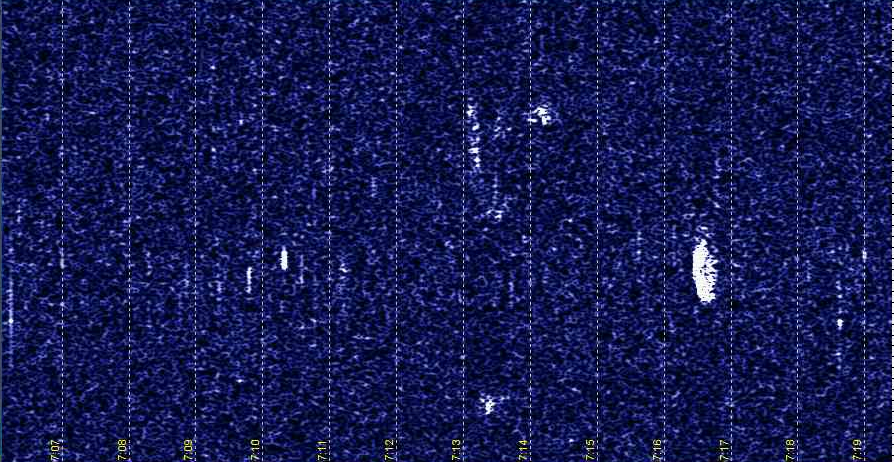
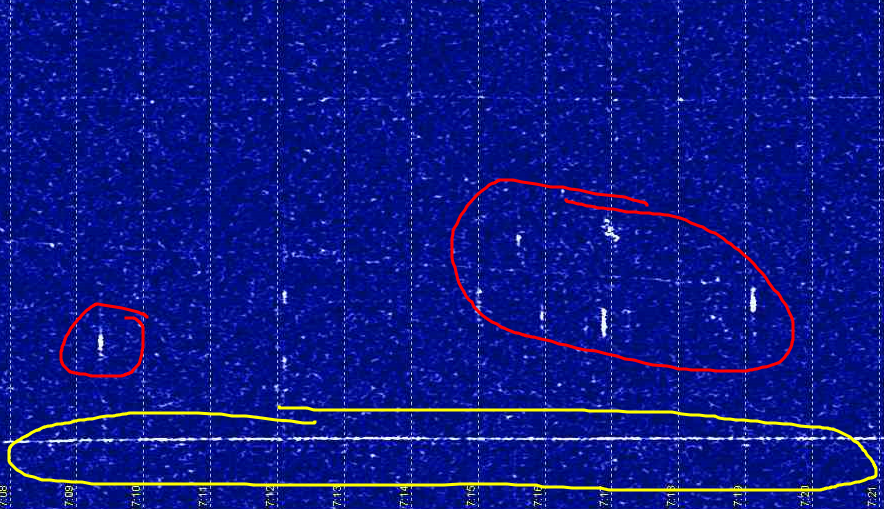
As mentioned a week back, I have been studying gravitational anomalies. Gravity waves are a good way to study dark matter but depending on the wave, it can cause other anomalies and I believe they can also be seen. I have confirmed these gravity waves can be seen on the Schumann and some of the anomalies showing are gravity waves.
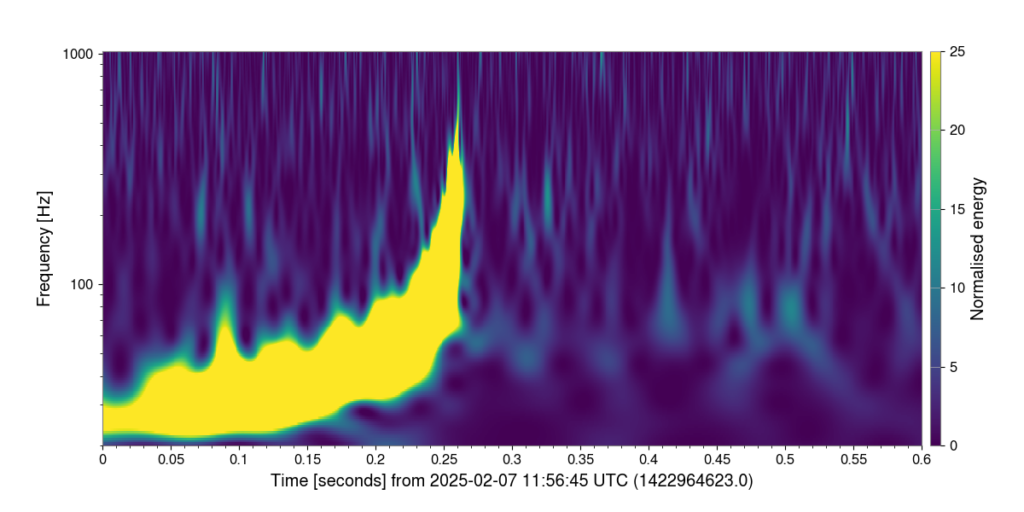
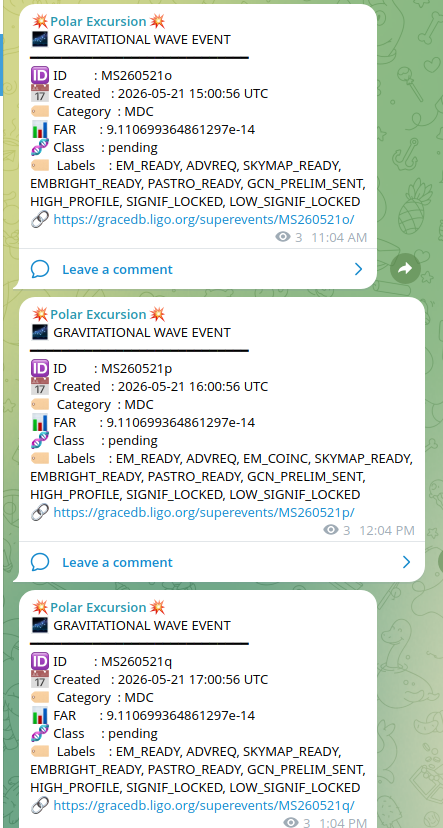
The reason for monitoring gravity waves is not yet mentioned in the community anywhere and this is a major factor in the galactic plane. These can manifest and cause disturbance however, more research is needed. More and more gravitational anomalies are happening each day. I am monitoring them with Earthquake and background radiation for patterns.
Other News:
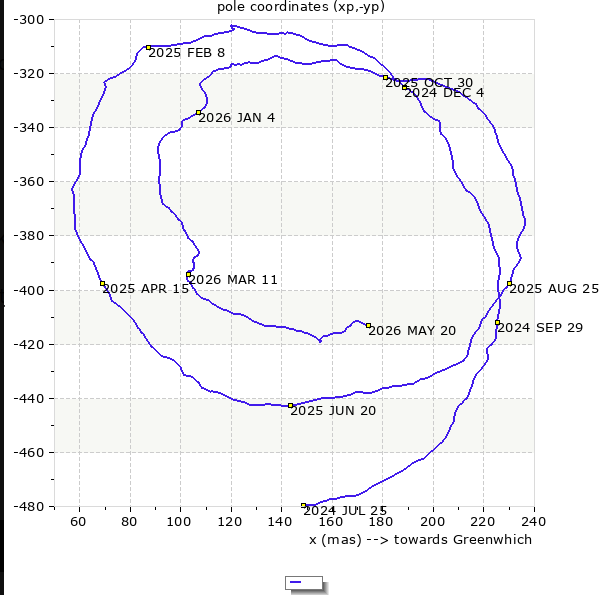
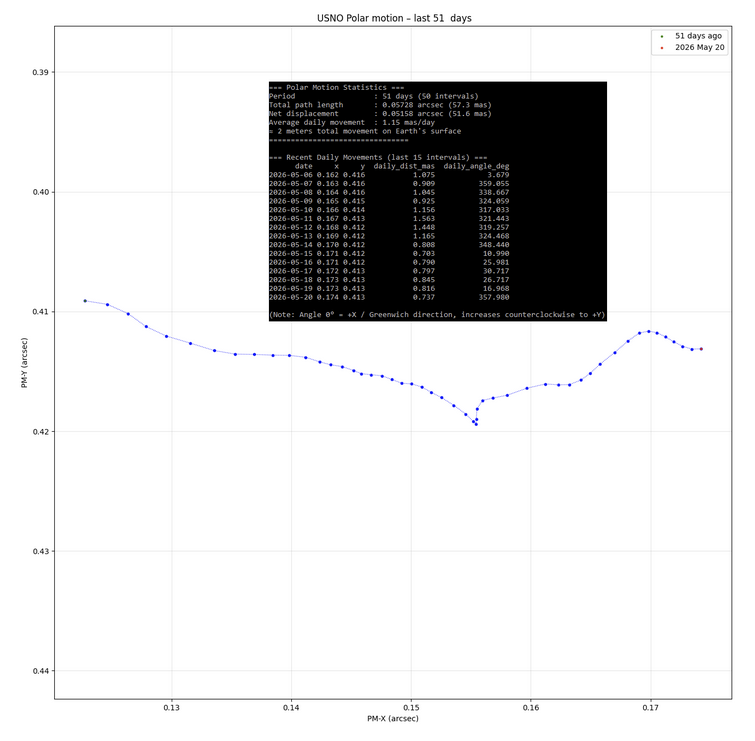
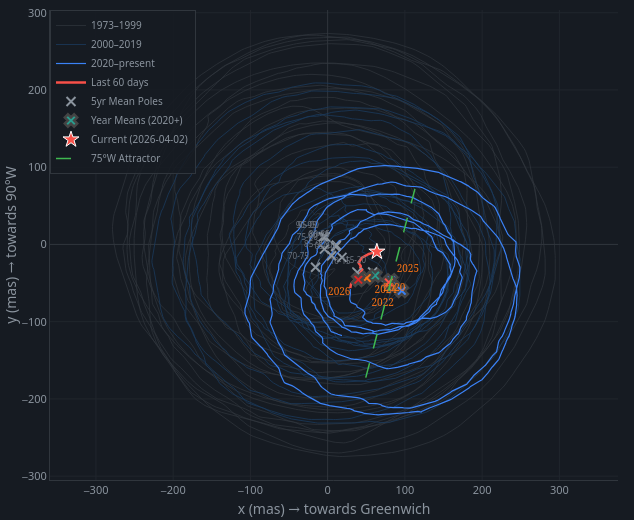
Adding to the news is the current and daily Chandler Wobble data provided by Nobody Nowhere on X.
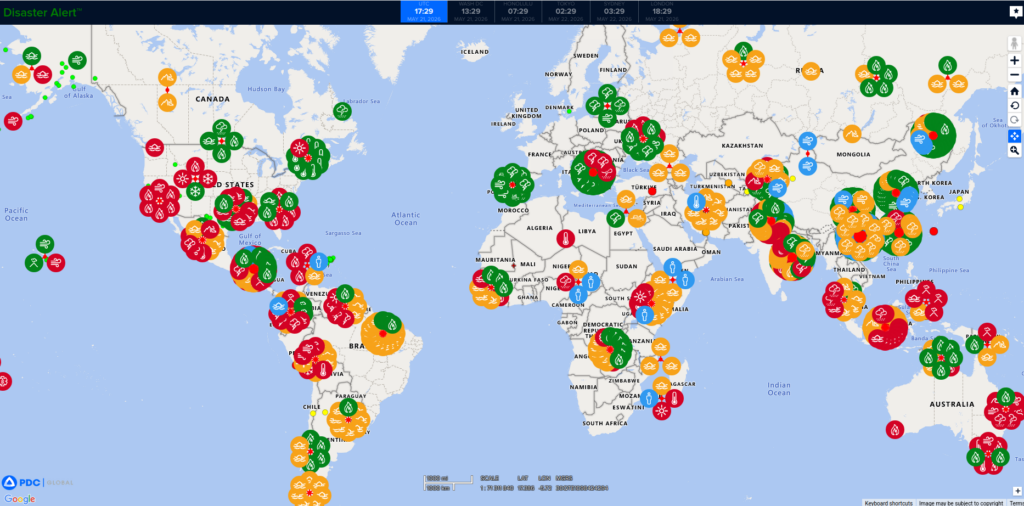
There are currently 567 currently active climate disasters on the planet:
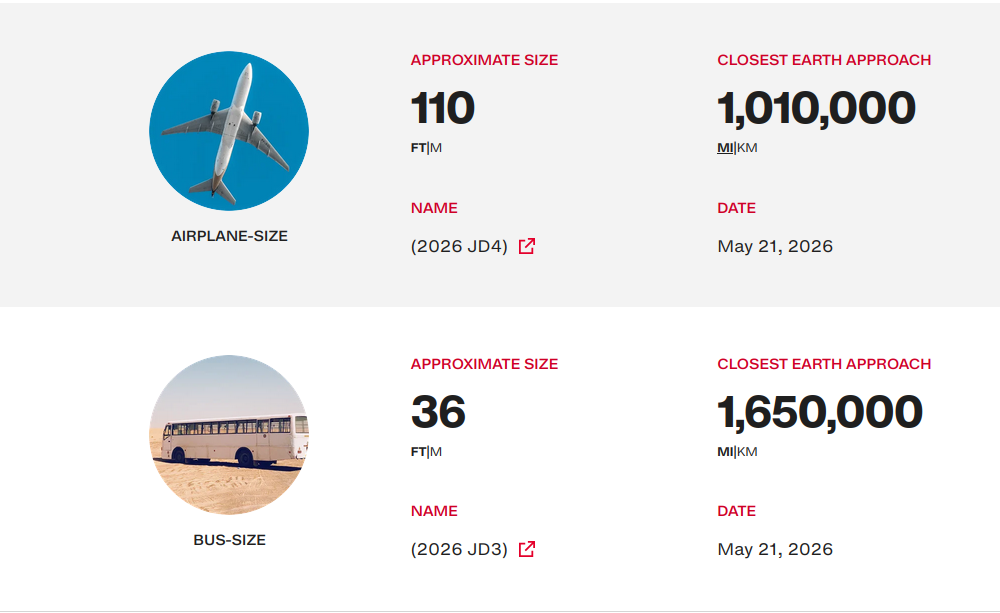
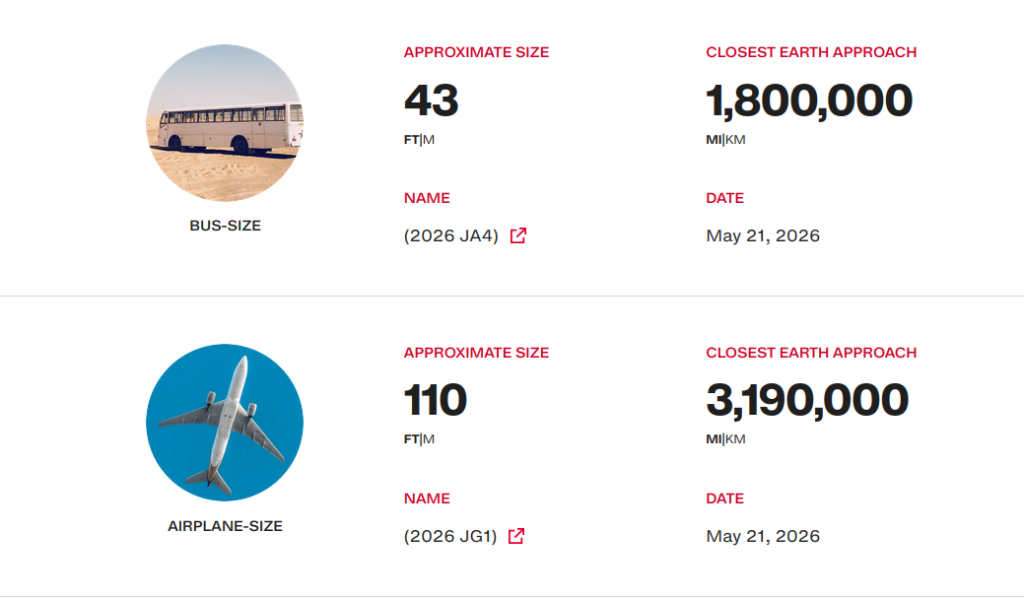
Today there is 4 Asteroids in the sky for fireball watch. All of these are far away to not make an impact from fragments but there is minimum traffic in space with an energy line also showing.
:Product: Forecast Discussion
:Issued: 2026 May 21 1230 UTC
# Prepared by the U.S. Dept. of Commerce, NOAA, Space Weather Prediction Center
#
Solar Activity

.24 hr Summary...
Solar activity was at very low levels during the past 24 hours. Region
4441 (N07W37, Eai/beta-gamma) showed some magnetic development during
the period. The other numbered regions were stable or in decay. New
Region 4444 (S20E76, Hsx/alpha) was numbered and was inactive.

There was a CME off the NW limb that appears to have originated in the
vicinity of Region 4436 (N19W78, Cso/beta). This event was first visible
in LASCO C2 imagery at 20/1612 UTC. This event is being analyzed for
potential impacts at the time of this summary.

.Forecast...
Solar activity is expected to remain at low levels through 23 May, with
a slight chance for isolated M-class flares (R1-R2/Minor-Moderate) on 21
May, primarily due to the complexity of Region 4441 and the recent
flaring history of Region 4436. An increased in activity is anticipated
22-23 May as multiple active regions, tracked via far-side satellite and
helioseismology imagery, rotate into view.

Energetic Particle

.24 hr Summary...
The greater than 2 MeV electron flux at geosynchronous orbit remained at
high levels, reaching a peak level of 1720 pfu at 20/1615 UTC. The
greater than 10 MeV proton flux at geosynchronous orbit remained at
background levels.

.Forecast...
The greater than 2 MeV electron flux is expected to return to normal to
moderate levels on 21 May as current conditions wane. A return to
high levels is anticipated on 22-23 May following the geoeffective onset
of a new coronal hole high-speed stream. The greater than 10 MeV proton
flux is expected to remain at background levels through 23 May.

Solar Wind

.24 hr Summary...
Solar wind parameters trended toward background conditions with speeds
reaching a peak of 542 km/s at 20/0222Z and then decreasing steadily
throughout the reporting period, ending at ~430 km/s. Total IMF reached
6 nT while the maximum southward component of Bz reached -5 nT The phi
angle remained on the negative sector.

.Forecast...
Solar wind parameters are expected to continue trending toward nominal
conditions through early on 21 May. Mild enhancements are likely on 21
May from a solar sector boundary crossing, with more pronounced
high-speed stream conditions expected on 22-23 May due to the influences
of a positive polarity coronal hole high-speed stream (+CH HSS).

Geospace

.24 hr Summary...
The geomagnetic field has been at quiet to unsettled levels for the past
24 hours.

.Forecast...
Isolated active periods are likely on 21 May following an anticipated
sector boundary crossing and the onset of the approaching +CH HSS. Quiet
to unsettled levels are anticipated 22-23 May due to persisting +CH HSS
influences.
About The Author